
As part of the anniversary of “1700 years of Jewish life in Germany”, WerteInitiative is running a campaign with infographics in order to make the visibility of Jewish life as an integral part of German history visible and tangible.
The project is financed by the association “321–2021: 1700 Jahre jüdisches Leben in Deutschland e.V.” and the Federal Ministry of the Interior, Building and Community.
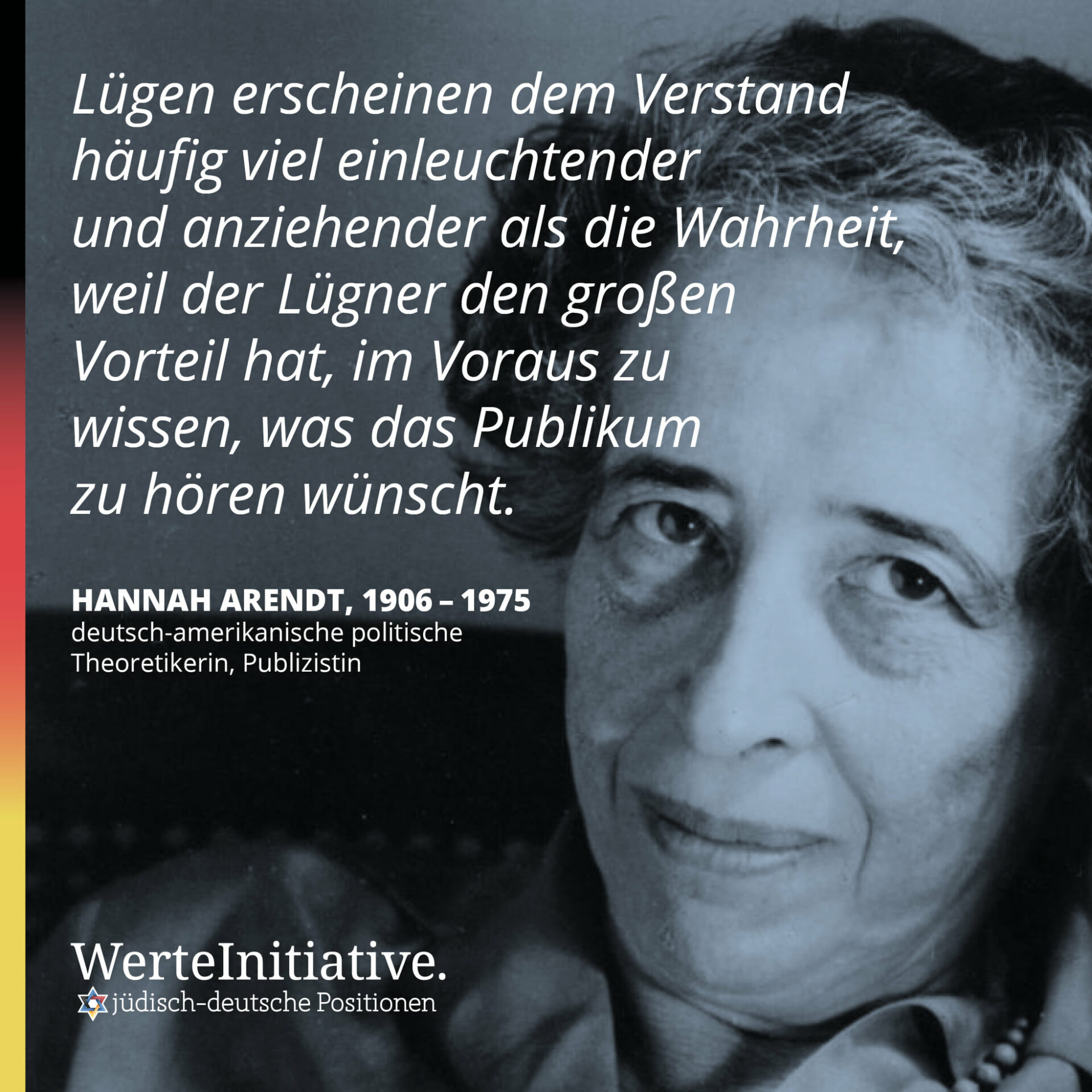
90 years ago, in the spring of 1931, Hannah Arendt began work on her early book “Rahel Varnhagen. Lebensgeschichte einer deutschen Jüdin aus der Romantik”. Above all, however, she became known for her comprehensive work “Elemente und Ursprünge totaler Herrschaft”, in which she sought, among other things, to explain the rise and the rule of National Socialism. To this day she ranks among the most significant political theorists of the 20th century.
More on her biography:
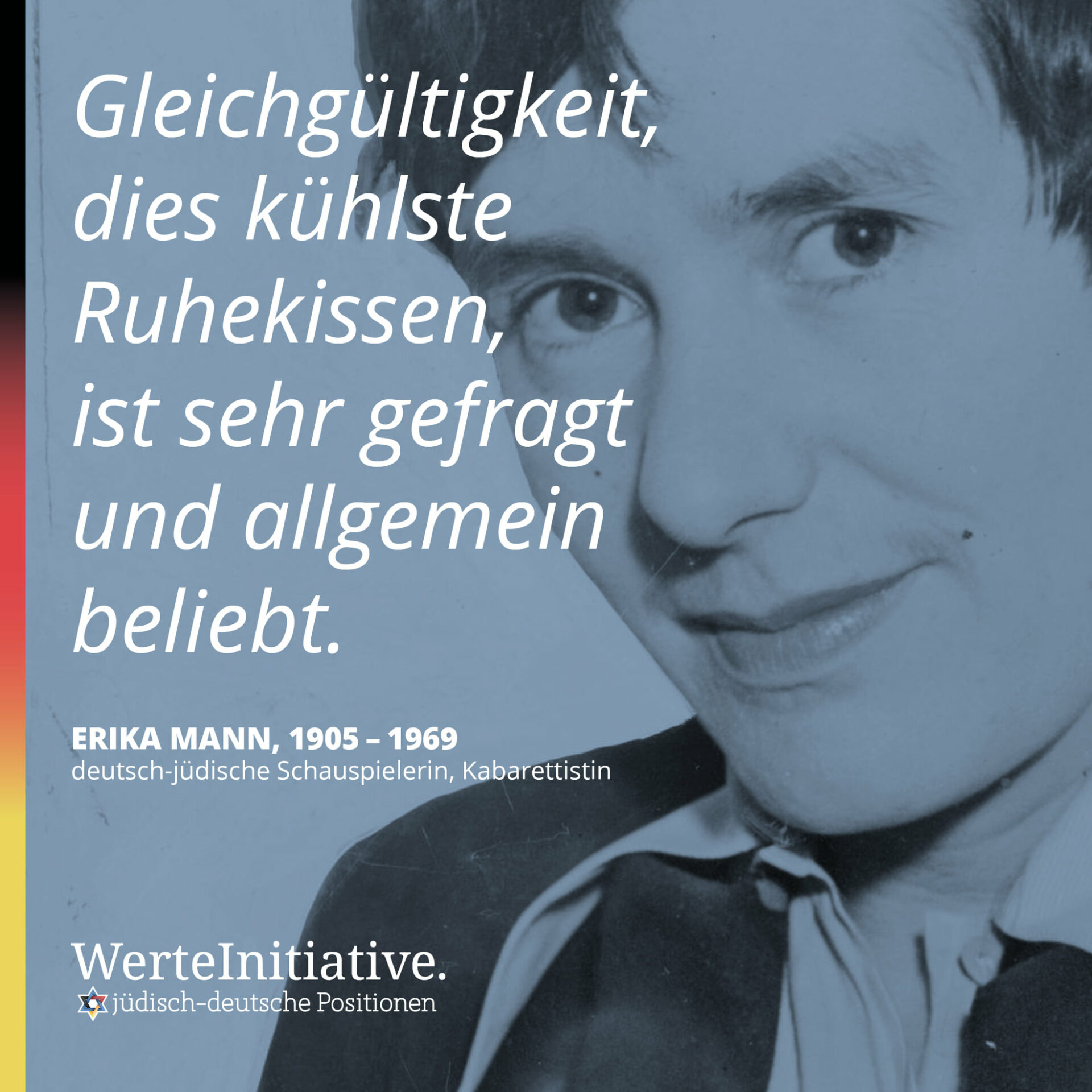
88 years ago, at the beginning of 1933, Erika Mann founded the political cabaret “Die Pfeffermühle” in Munich. After only one further performance in February of the same year, the daughter of Katia and Thomas Mann went into exile in Switzerland in order to escape National Socialism. There and in the USA she continued to perform and also worked as a writer, until she took over the administration of the literary estates of her father Thomas and her brother Klaus Mann.
More on her biography:

Franz Kafka is probably one of the most important German-language writers of all. Works such as “Die Verwandlung” or “Das Urteil” brought him a certain renown during his lifetime, above all in intellectual circles. Kafka only became world-famous, however, through the posthumous publications such as “Der Proceß” by his friend and literary executor Max Brod, which nevertheless took place against his will.
More on his biography, his myth and his work:
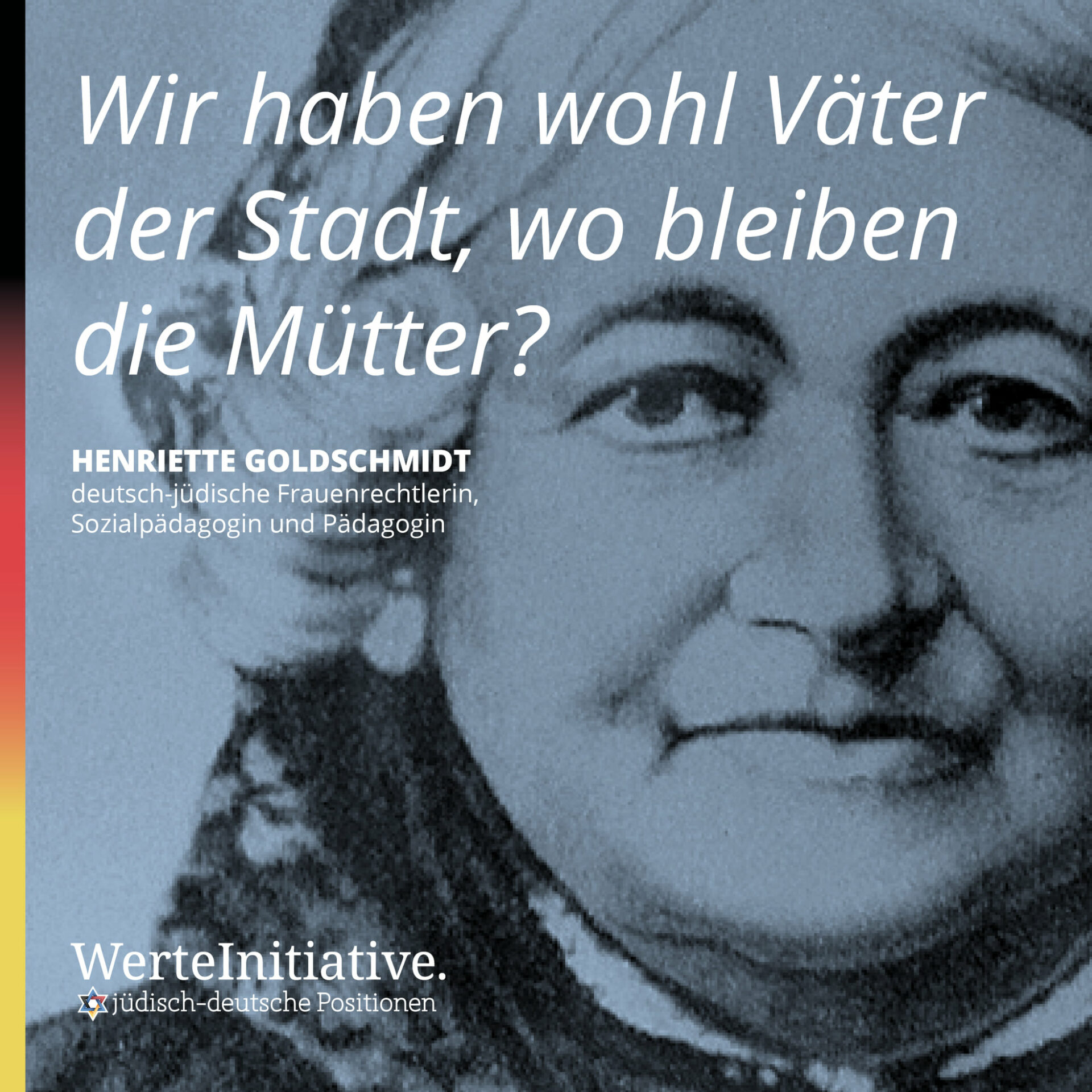
In March 1865 Henriette Goldschmidt founded a women’s education association in Leipzig and in the same year took part in organising the first women’s conference in Germany. From it emerged the Allgemeiner Deutscher Frauenverein (ADF), on whose board Goldschmidt served for many years.
More on her biography:
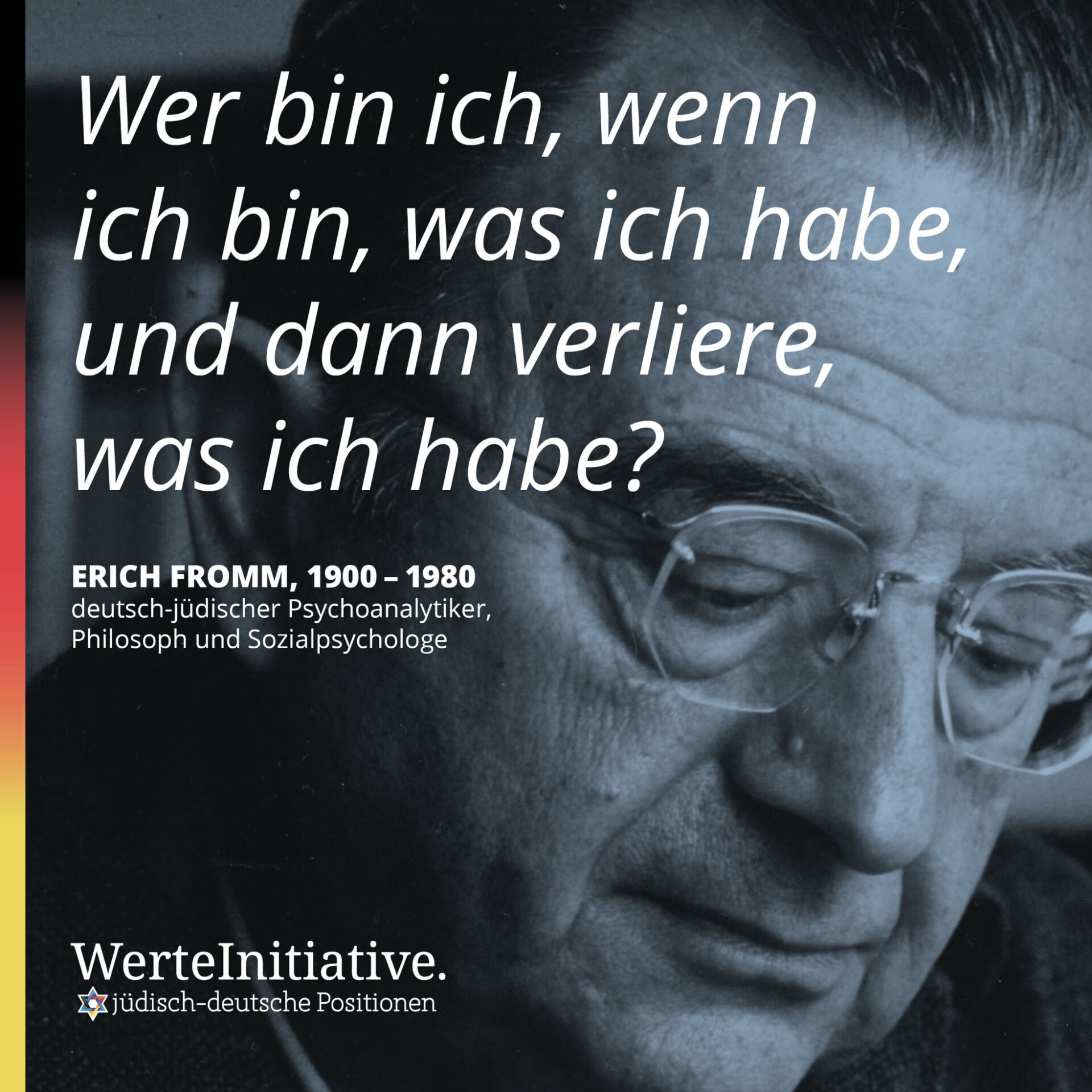
41 years ago, on 18 March 1980, the psychoanalyst and social psychologist Erich Fromm died. From 1930 he ran his own psychoanalytic practice and worked at the Frankfurt Institute for Social Research in the circle around Max Horkheimer and Theodor W. Adorno. Like the other members of the institute, Fromm emigrated from National Socialist Germany to the USA, where the institute at first continued their joint studies.
More on his biography and works:
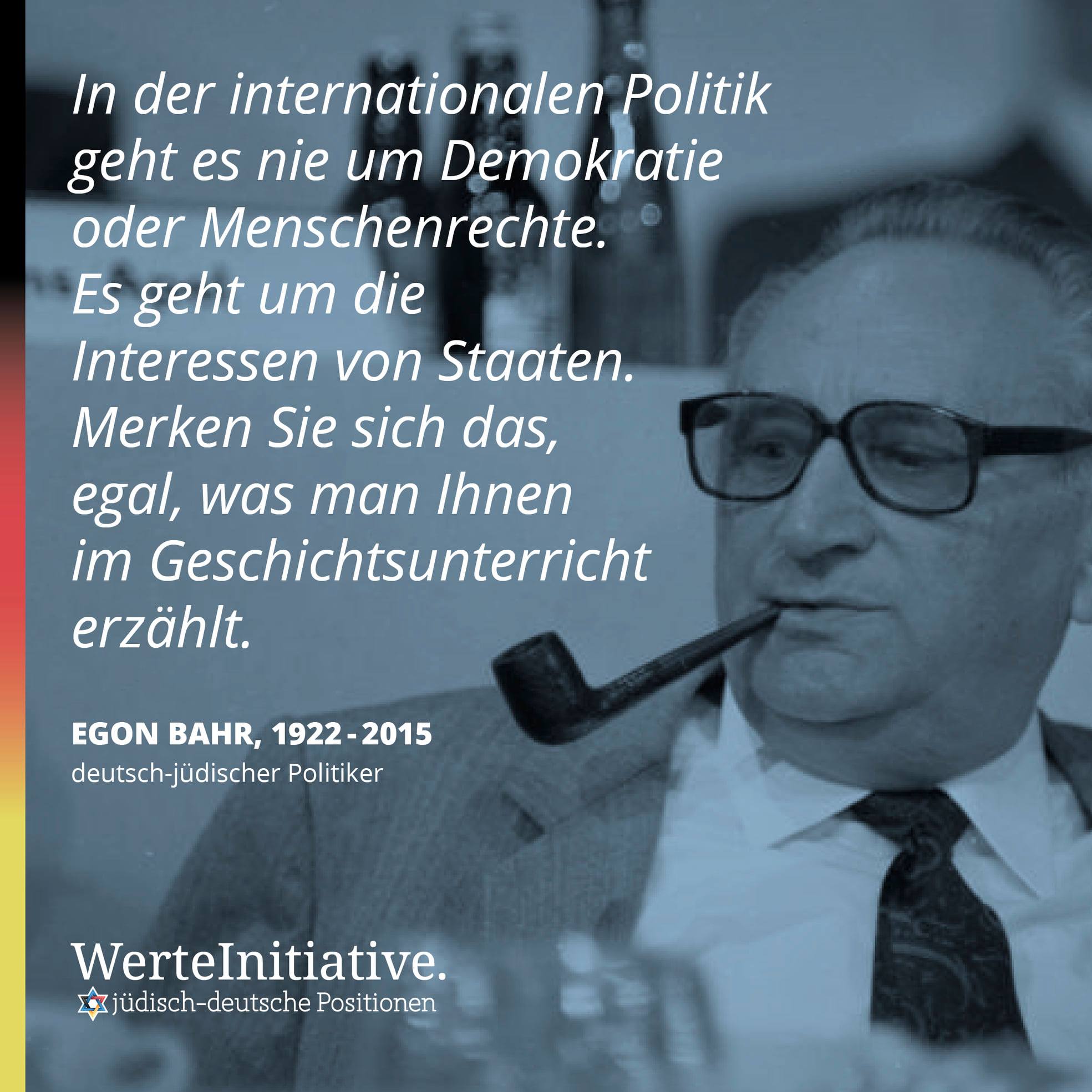
Egon Bahr was a close companion of Willy Brandt and followed him from the Berlin state administration to the Foreign Office and to the Federal Chancellery; under Helmut Schmidt he was Minister for Economic Cooperation until 1976. He is regarded as one of the architects of the social-liberal Ostpolitik under Chancellor Brandt and coined the motto “Wandel durch Annäherung”. Bahr had been a member of the SPD since 1956 and sat in the German Bundestag for the party from 1972 to 1990.
More on his biography: https://www.hdg.de/lemo/biografie/egon-bahr.html

Else Lasker-Schüler is regarded as one of the outstanding representatives of avant-garde modernism and of lyrical expressionism. In 1901 her first volume of poems, Styx, appeared; prose works followed, as well as the play Wupper, which, like the volume of poems published in 1911, ranks among the important works of her expressionist output. In 1933 Lasker-Schüler first emigrated to Switzerland; in 1939 she was unable to return from a journey to the British Mandate of Palestine because of the outbreak of the war, and spent the last years until her death in 1945 in Jerusalem.
More on her biography: https://www.fembio.org/…/biographie/else-lasker-schueler/

In 1921, that is 100 years ago, Albert Einstein was awarded the Nobel Prize in Physics for his services to theoretical physics. His theory of relativity revolutionised physics and made him world-famous. Einstein never returned from a research stay begun in 1932 to what was by then National Socialist Germany. When after 1945 he learns the full extent of the extermination of the European Jews, he resolves never to set foot on German soil again.
More on his biography:

Maximilian Harden was at first an actor, later a publicist and journalist. He was involved in the founding of the Freie Bühne in Berlin and advised Max Reinhardt on the running of the Deutsches Theater in Berlin. As a journalist Harden wrote at times scathing critiques which led to more than one political scandal in the German Empire. Shortly after the assassination of his friend Walter Rathenau, Harden became the target of right-wing assassins. He thereupon discontinued the journal he had founded, “Die Zukunft”, on 30 September 1922 and emigrated to Switzerland in 1923.
More on his biography:

Although because of National Socialism he was able to attend school for only six years in total, Ignatz Bubis became a successful entrepreneur in post-war Germany. In 1956 he moved to Frankfurt am Main; there he was active not only as a property entrepreneur but also on the board of the Jewish community. In 1969 he joined the FDP, which he was to represent on the city council for many years. From 1992 Bubis was the chairman of the Central Council of Jews in Germany. Since 2001 the Ignatz Bubis Prize has been awarded in his honour every three years by the city of Frankfurt.
More on his biography: https://www.hdg.de/lemo/biografie/ignatz-bubis.html
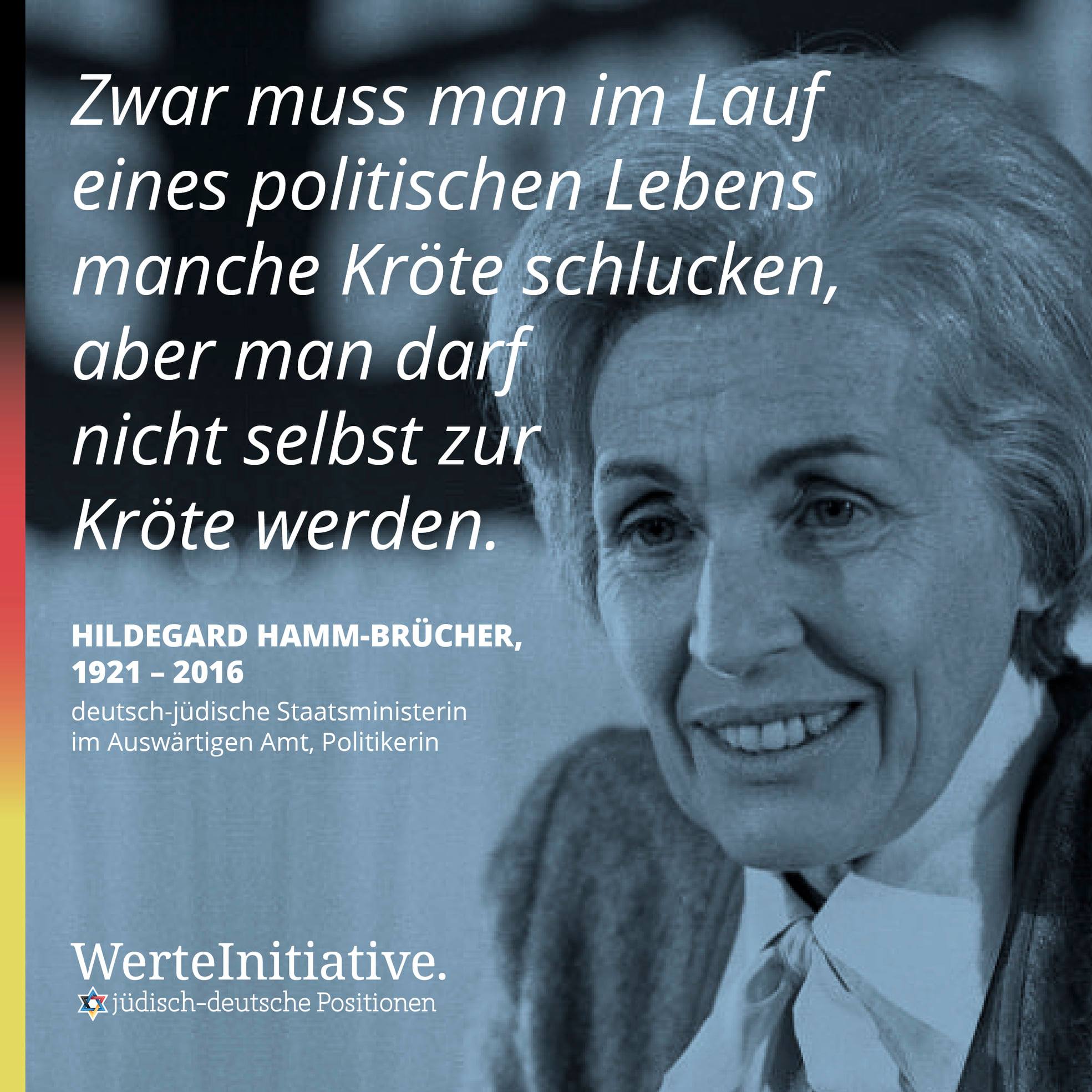
Hildegard Hamm-Brücher was first elected to Munich city council for the FDP in 1948 and made a political career over the course of the years. The chemist, who held a doctorate, sat several times in the Bavarian state parliament for the FDP; from 1976 to 1990 she was a member of the Bundestag and during that time, under Minister Genscher, Minister of State at the Federal Foreign Office from 1976 to 1982. In May 2011 the “Preis gegen das Vergessen – für die Demokratie”, endowed by Hamm-Brücher, was awarded for the first time on the occasion of her 90th birthday.
More on her biography:
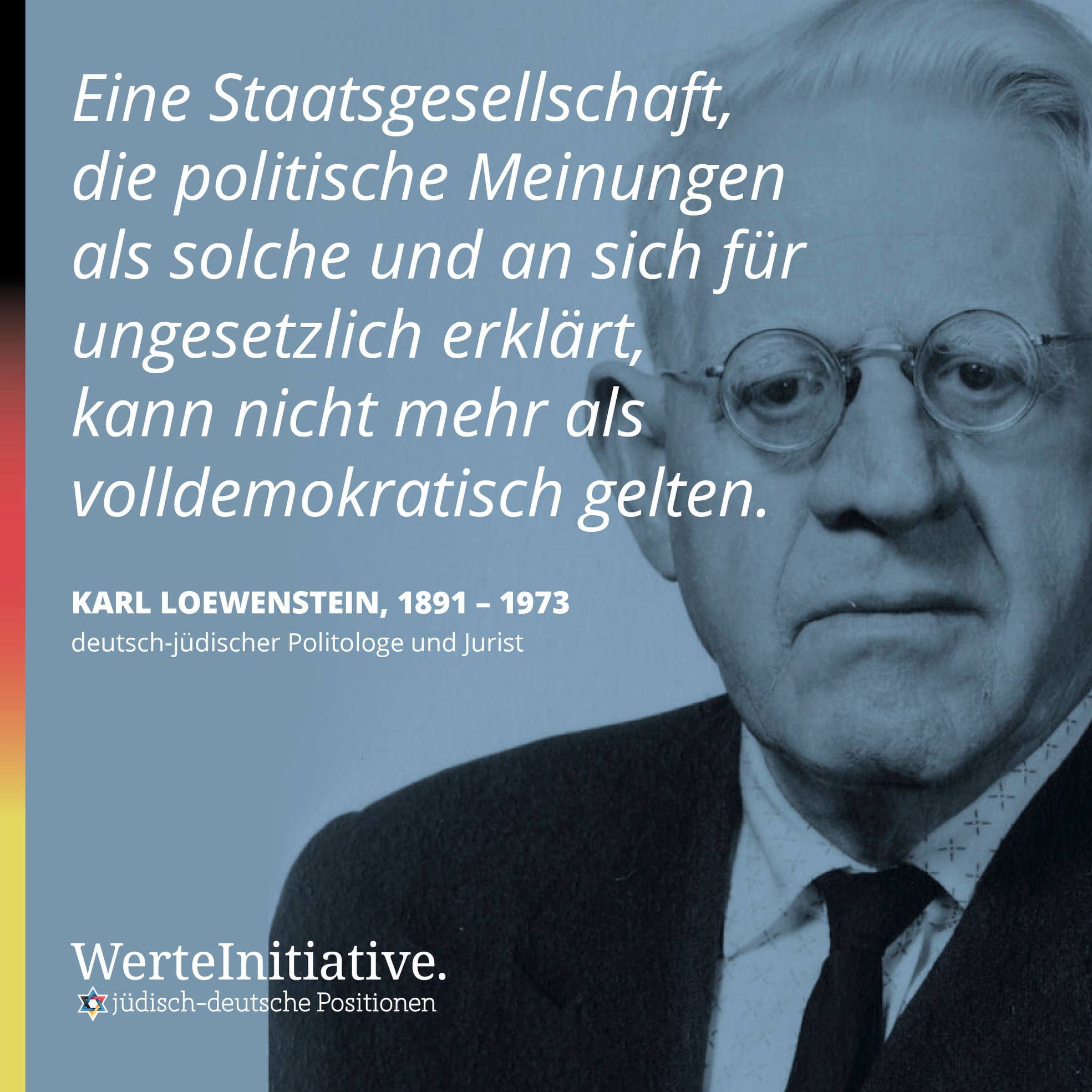
Karl Loewenstein was a highly distinguished constitutional lawyer whose works influence his discipline and political science to this day. He completed his habilitation at the University of Munich in 1932 and only a year later was removed from the civil service by the National Socialist government. Loewenstein emigrated to the USA, where he taught at Yale University and Amherst College. He is regarded as one of the most important originators of the concept of “militant democracy”, which he first described in 1937 in his essay “Militant Democracy and Fundamental Rights”.
More on his biography:
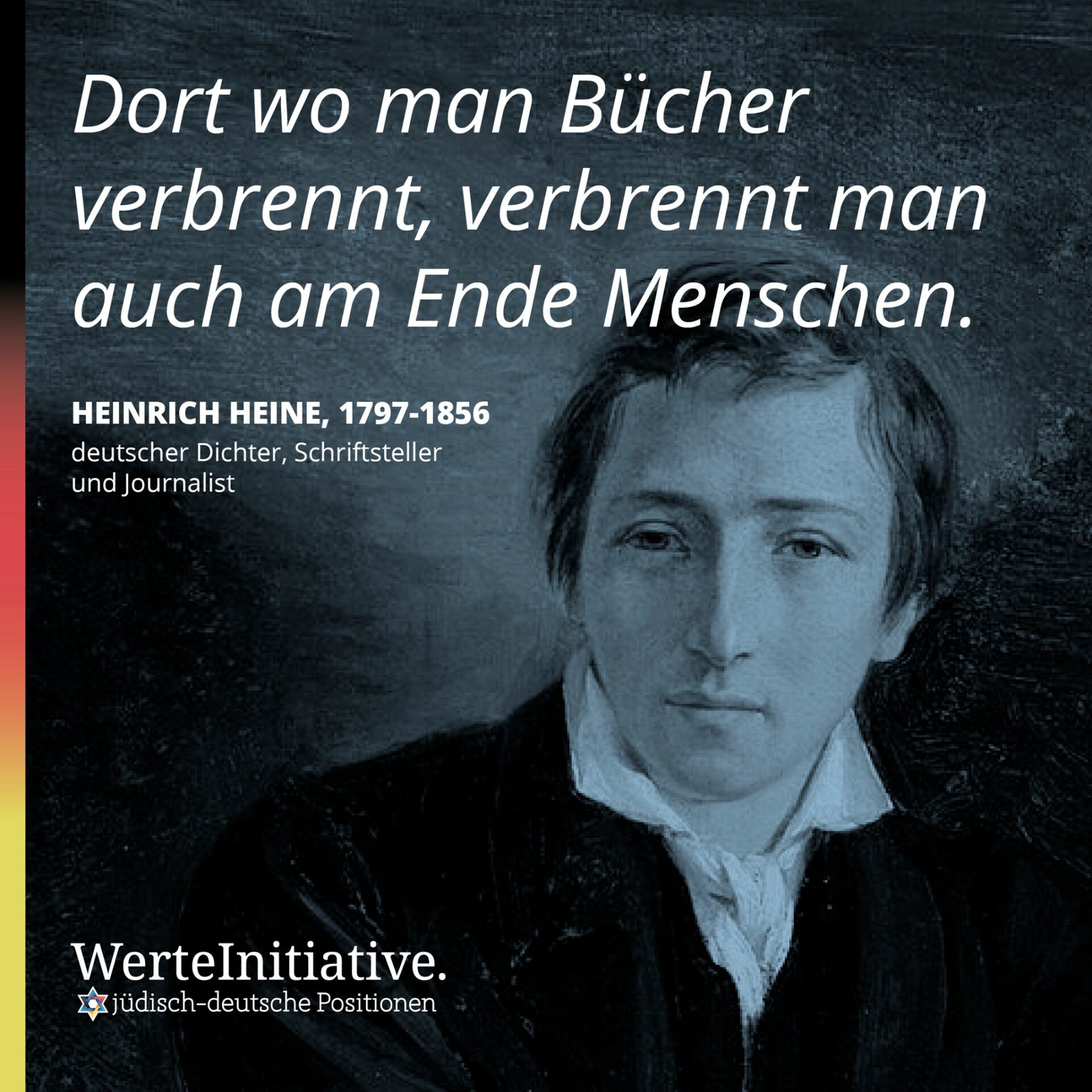
Heinrich Heine was not only a poet and writer but also a satirist, essayist and political journalist. Today he is regarded as one of the last representatives of German Romanticism and contributed decisively to overcoming it. In 1831 he moved to Paris, as he was increasingly attacked because of his Jewish origins and his political views; in 1835 his works were banned from publication throughout the German Confederation. Today he is regarded as one of the most outstanding German poets and writers.
More on his biography:
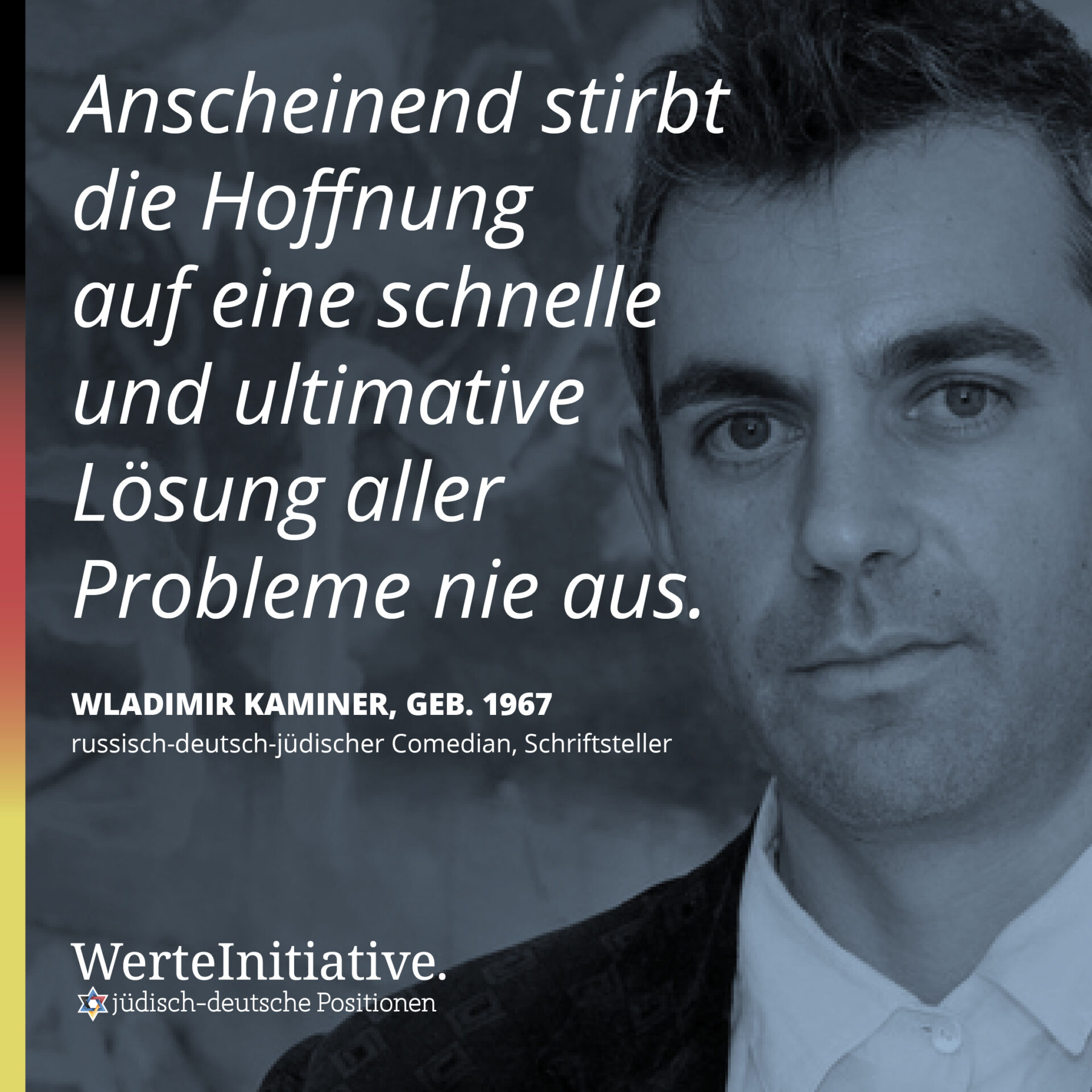
In the Soviet Union Wladimir Kaminer first trained as a sound engineer before studying dramaturgy at the Moscow Theatre Institute. He came to Germany in 1990 and was for many years a member of the Reformbühne in Berlin. Kaminer gained greater recognition, beyond Germany as well, with his novel “Russendisko”, published in 2000, which was made into a film in 2012.
More on his biography:
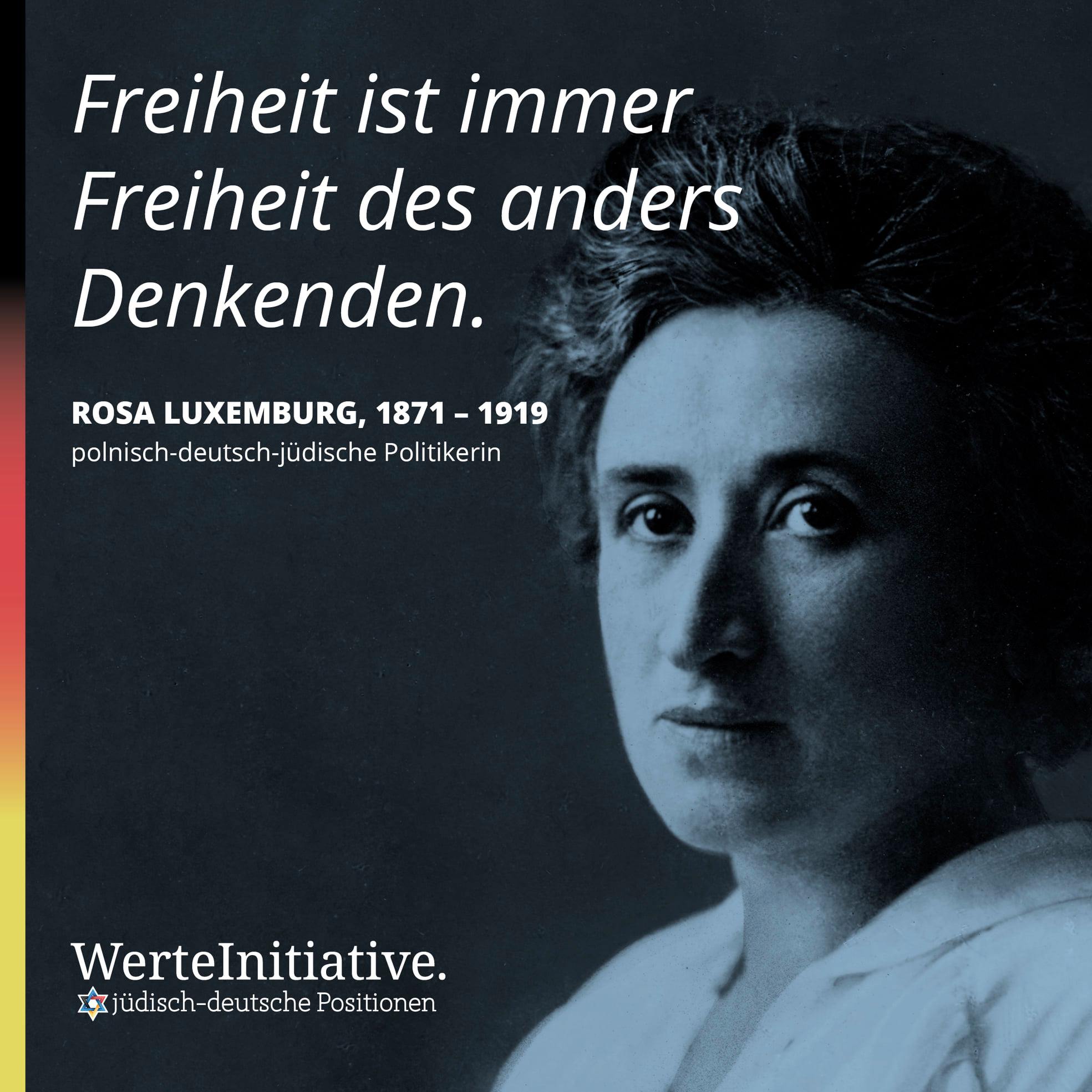
Born in Poland (then under Russian rule), Rosa Luxemburg studied in Zurich in Switzerland, where she took her doctorate in 1897. She was involved in the founding of the Social Democracy of the Kingdom of Poland and, after obtaining German citizenship, also took on a leading role in the SPD. Together with Karl Liebknecht she founded the Spartacus League in 1915 and was involved in the founding of the KPD in 1918/19. At the beginning of 1919 Luxemburg was abducted together with Liebknecht and on 31 May was found dead in the Landwehr Canal in Berlin.
More on her biography:
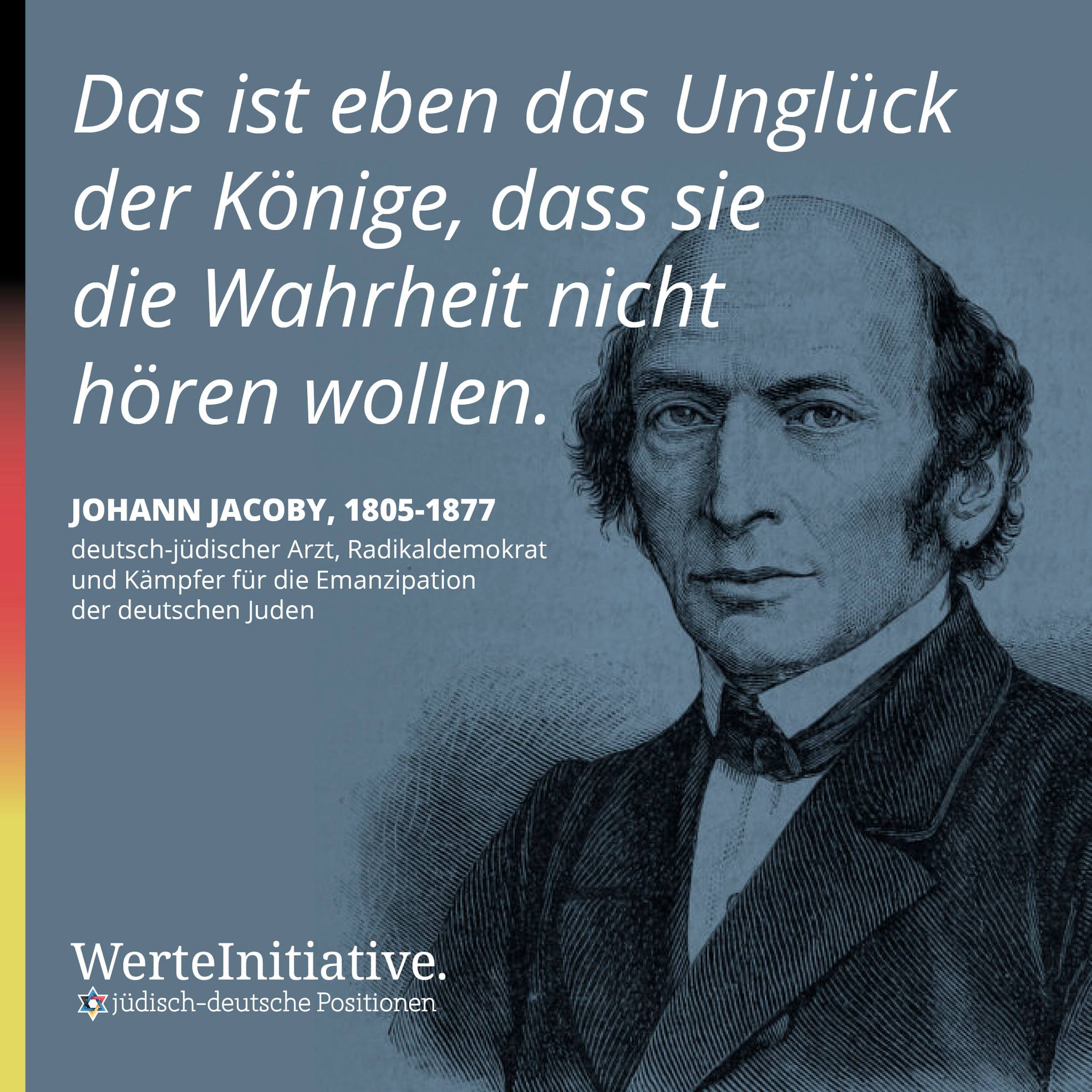
After completing his medical studies, Johann Jacoby worked as a general practitioner, among other places at the Jewish hospital in Königsberg. With the March Revolution he began to involve himself actively in politics; he was a member of the Frankfurt Committee of Fifty and of the Prussian state parliament for the Deutsche Fortschrittspartei. Jacoby was a strong advocate of democracy and of equal rights and campaigned, among other things, for the emancipation of the Jews. After 1848 as well he fought for democracy in Prussia and Germany, which brought him several prosecutions. Later he turned towards social democracy without, however, discarding his liberal ideas.
More on his biography:
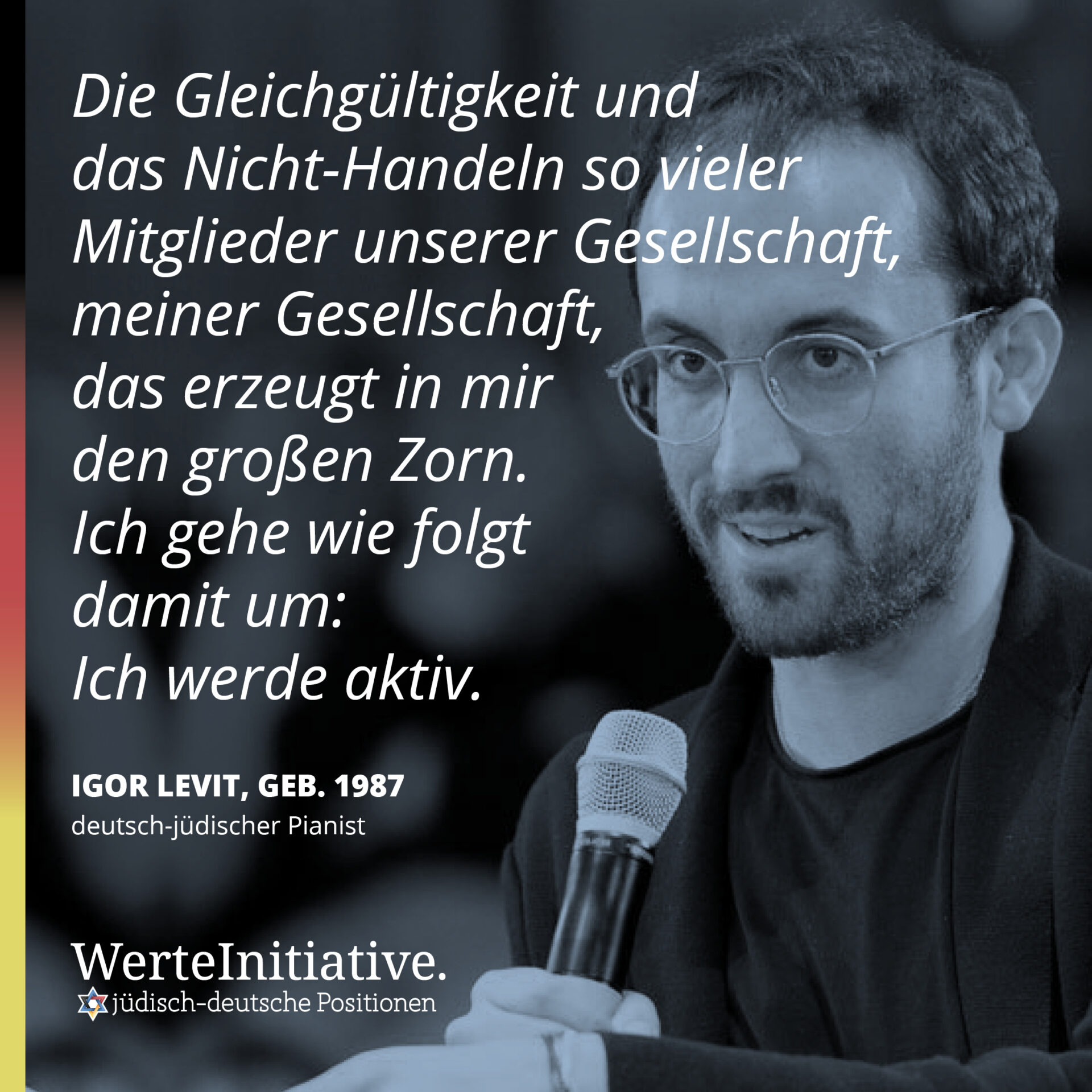
In 1999, at only 13 years of age, Igor Levit began his studies at the Institut zur Frühförderung musikalisch Hochbegabter (IFF) of the Hochschule für Musik, Theater und Medien in Hanover, which he completed in 2010 as the best graduate in the history of the institution. In recent years he has played with numerous renowned orchestras, such as the English Chamber Orchestra or the Israel Philharmonic Orchestra. Beyond that, Levit is also politically active and repeatedly speaks out publicly on subjects such as antisemitism and racism.
More on his biography:
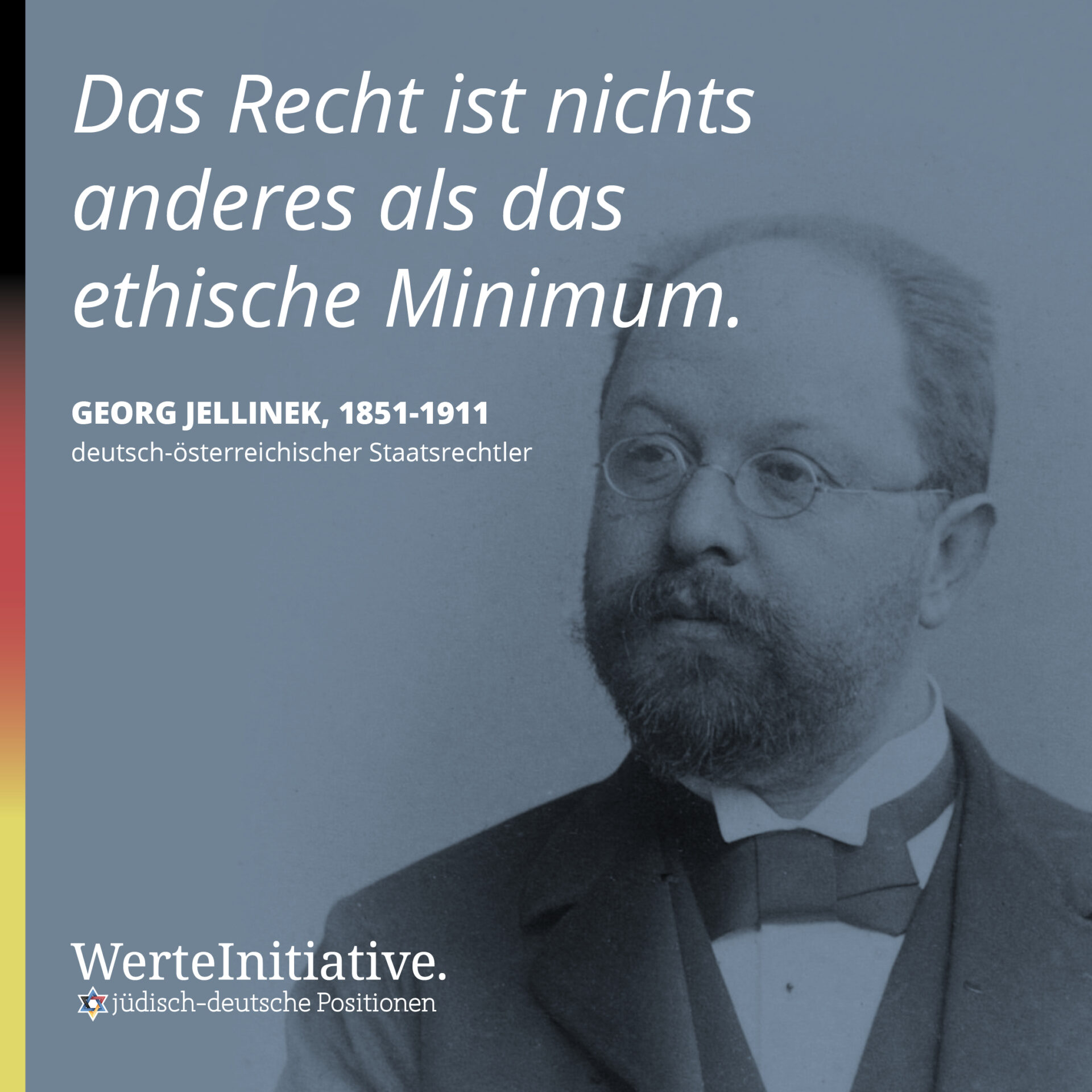
170 years ago, on 16 June 1851, the constitutional lawyer Georg Jellinek was born. His principal work “Allgemeine Staatslehre”, published in 1900, can be understood as a milestone of his discipline and is of significance to this day. In it Jellinek sets out, among other things, that the recognition of a state as a subject of international law requires the three characteristics of “state territory”, “state people” and “state authority”.
More on his biography:
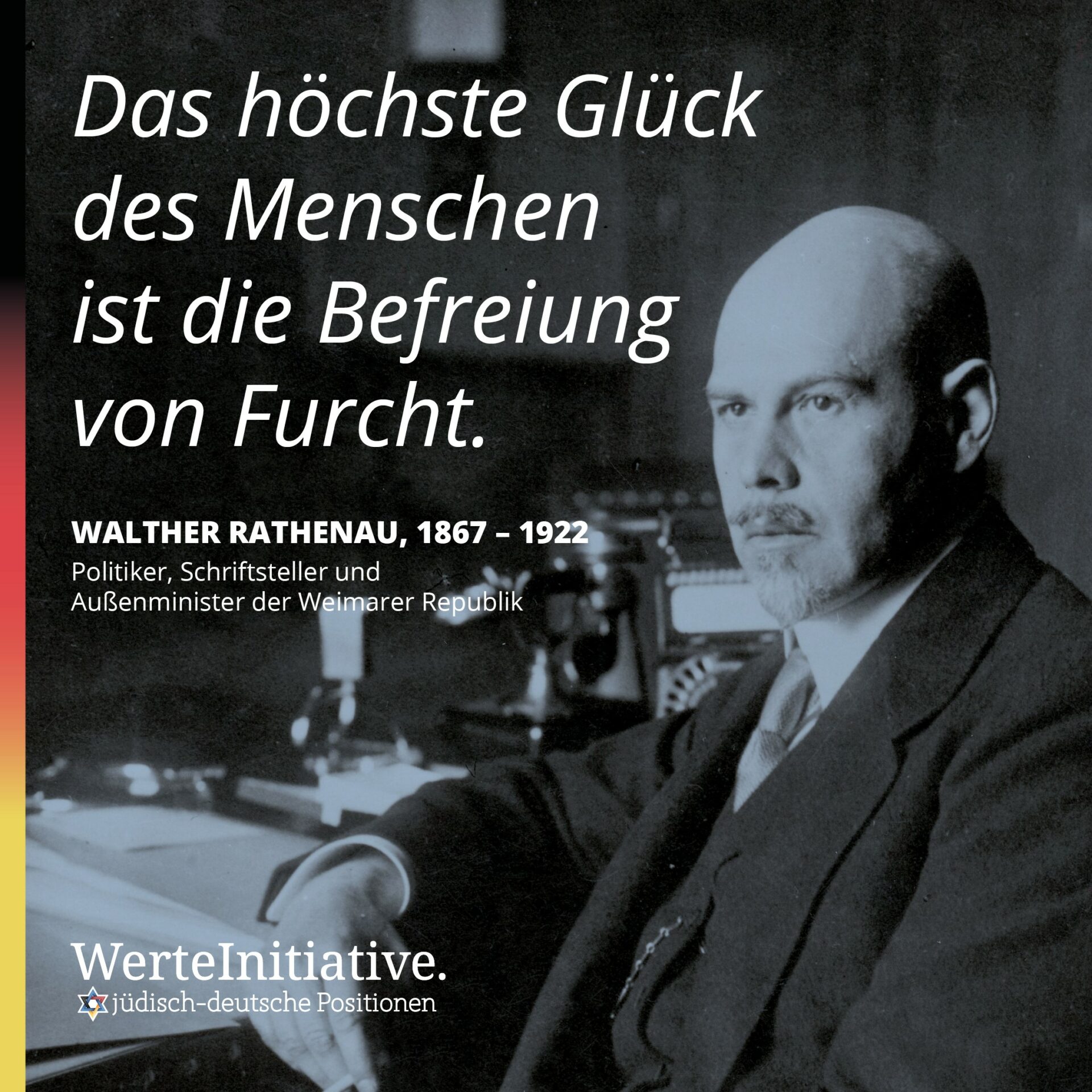
On 24 June 1922 the foreign minister of the Weimar Republic, Walther Rathenau, was murdered by right-wing assassins out of antisemitic and anti-democratic motives. Only a few months earlier he had negotiated the important Treaty of Rapallo, in which Germany and Soviet Russia agreed on their rapprochement after the First World War. But Rathenau was not only a politician; before that he had worked both at the AEG founded by his father and as an author.
More on his biography:
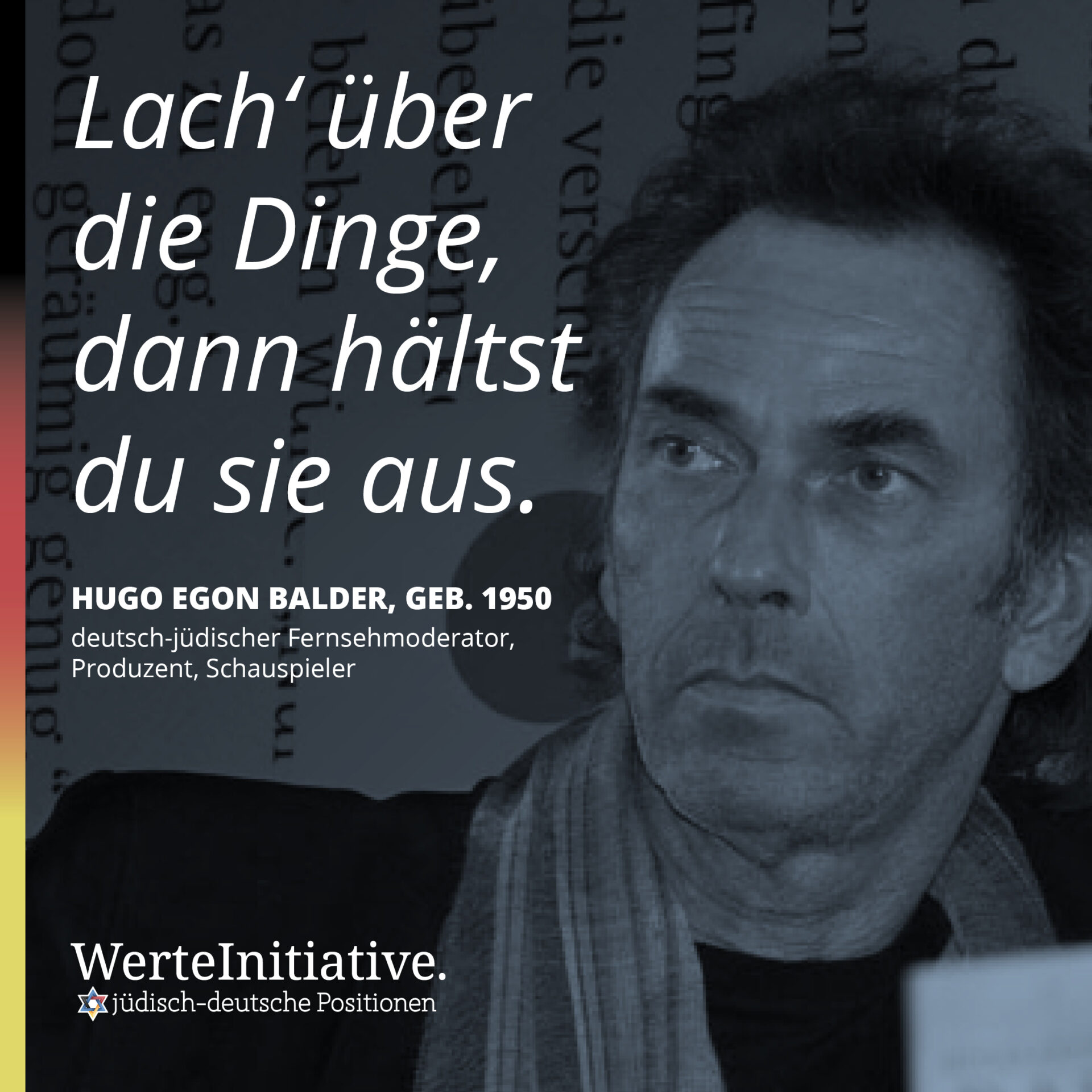
After his art studies Hugo Egon Balder attended a drama school and from 1973 to 1979 was part of the ensemble of the Schillertheater in Berlin. He became known to a broad television audience in Germany through his programmes “Alles Nichts Oder?!” and “Tutti Frutti” at the beginning of the 1990s, as well as through his programme “Genial daneben”. Balder has received numerous awards such as the Bambi, the Goldene Kamera or the Deutscher Fernsehpreis.
More on his biography:
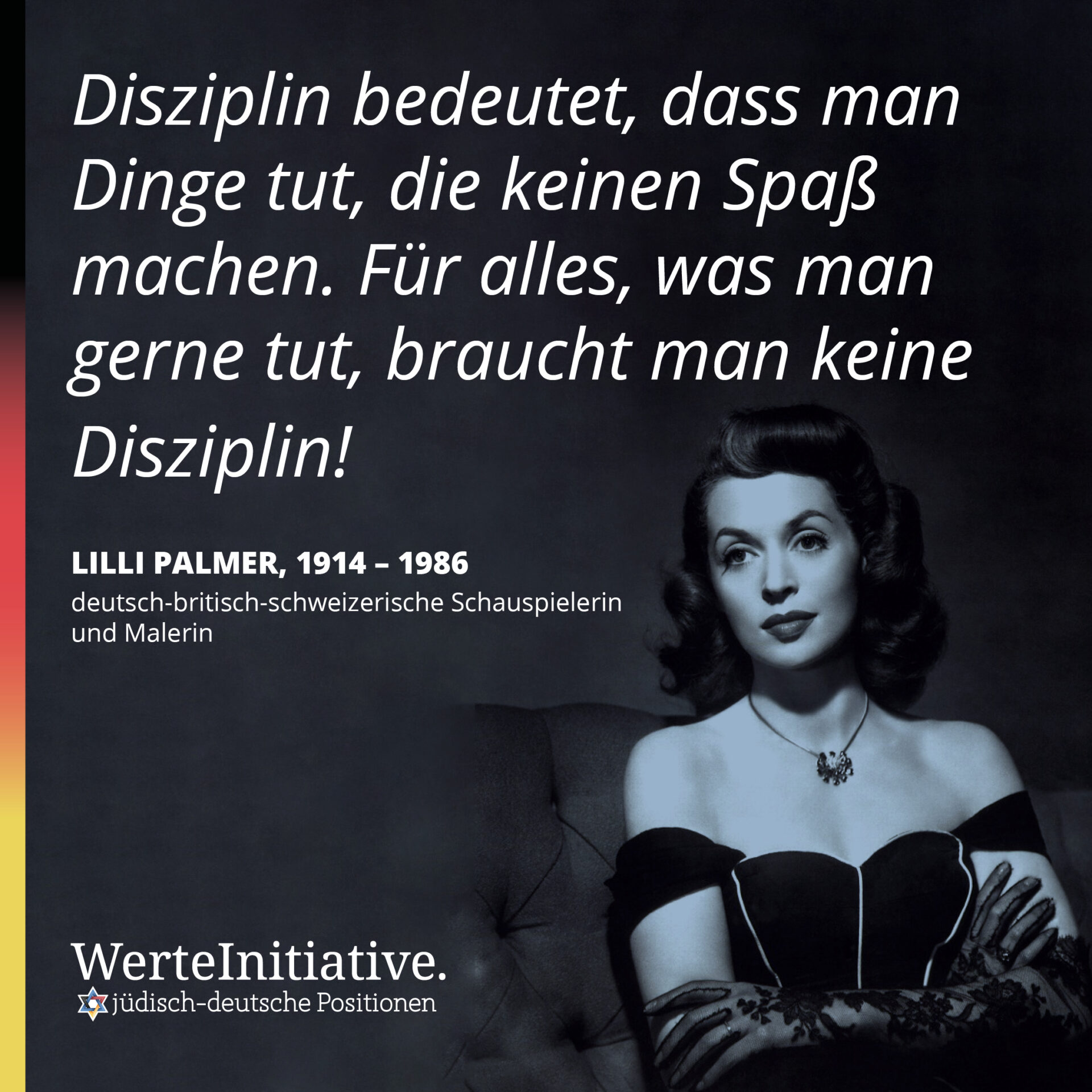
Against the will of her father, who was a doctor at the Jewish hospital in Berlin, Lilli Palmer decided to attend a drama school. She had her first engagement at the Hessisches Landestheater Darmstadt from 1932. But as early as 1933 she had to leave Germany; she first appeared in Paris and later played smaller film roles in London, before going to the United States in 1945. There Palmer appeared in numerous major Hollywood productions and in 1959 was nominated for a Golden Globe Award. Since 1988 a special award for young up-and-coming actresses has been presented in her honour within the framework of the Goldene Kamera.
More on her biography:
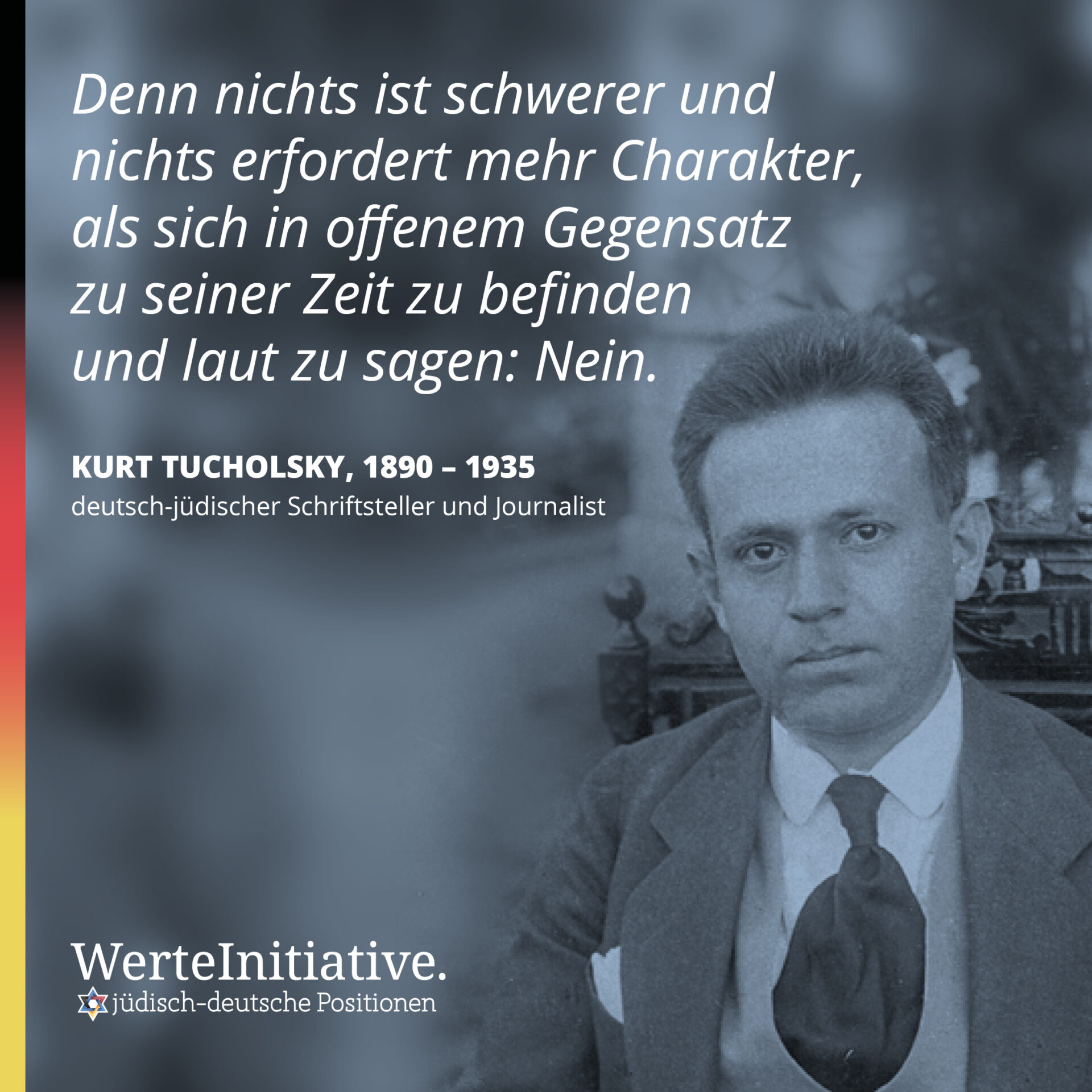
Kurt Tucholsky may well count as one of the most important publicists of the Weimar Republic. Under his own name and a good many pseudonyms such as Kaspar Hauser or Ignatz Wrobel he published numerous journalistic articles, but he was also a satirist, a poet, a cabaret and novel writer. Tucholsky did not, however, confine himself to his criticism, but as a democratic socialist also became actively involved in politics himself. His writings were banned in 1933 and his citizenship revoked.
More on his biography:
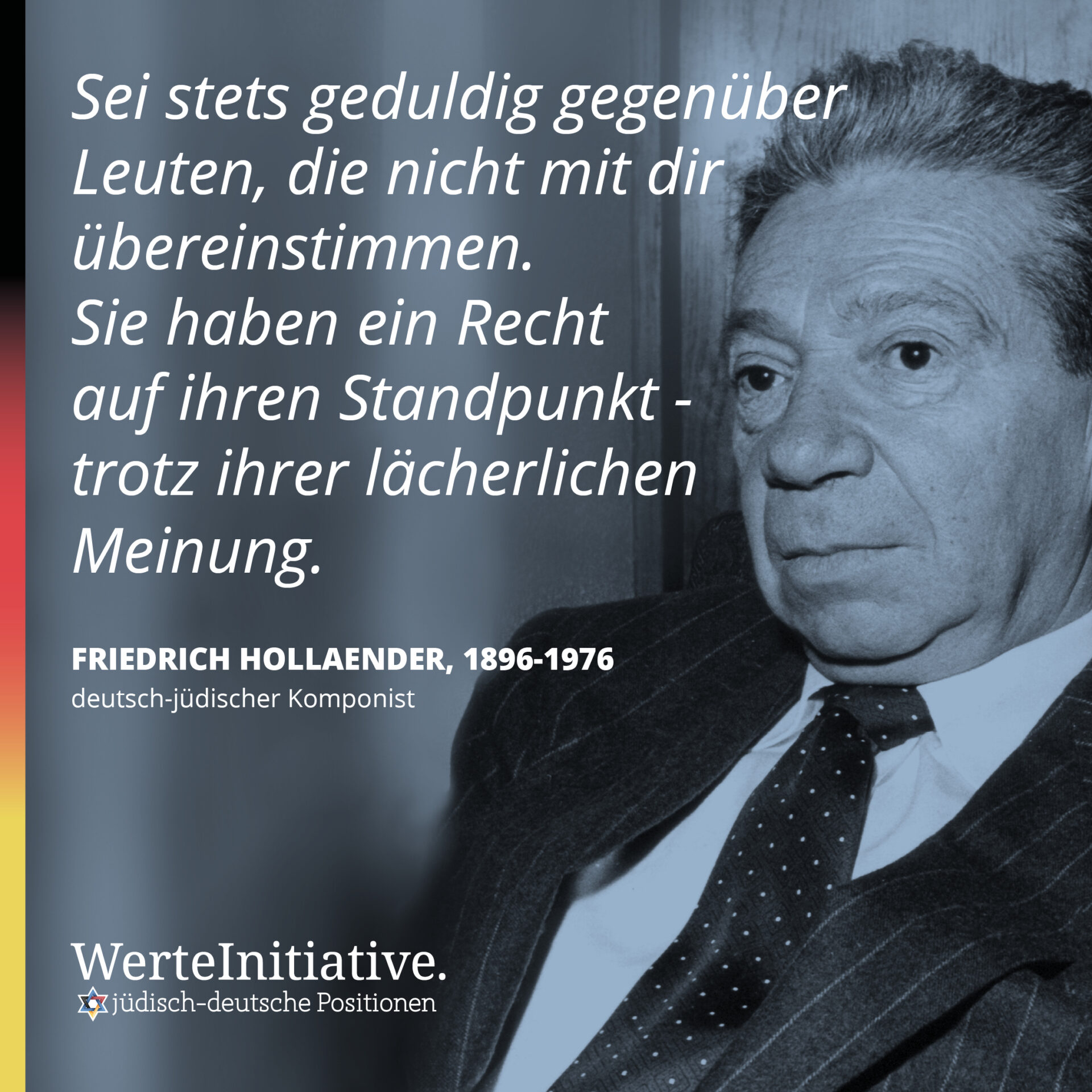
In the 1920s Friedrich Hollaender was a fixture of the Berlin cultural landscape; he wrote and composed songs, wrote revues and worked at several cabaret theatres. In 1933 he had to leave Germany and in his American exile became known for numerous film scores under the name Frederick Hollander. In 1955 Hollaender returned to Germany, where in 1960 he was awarded the Bundesverdienstkreuz 1. Klasse.
More on his biography:
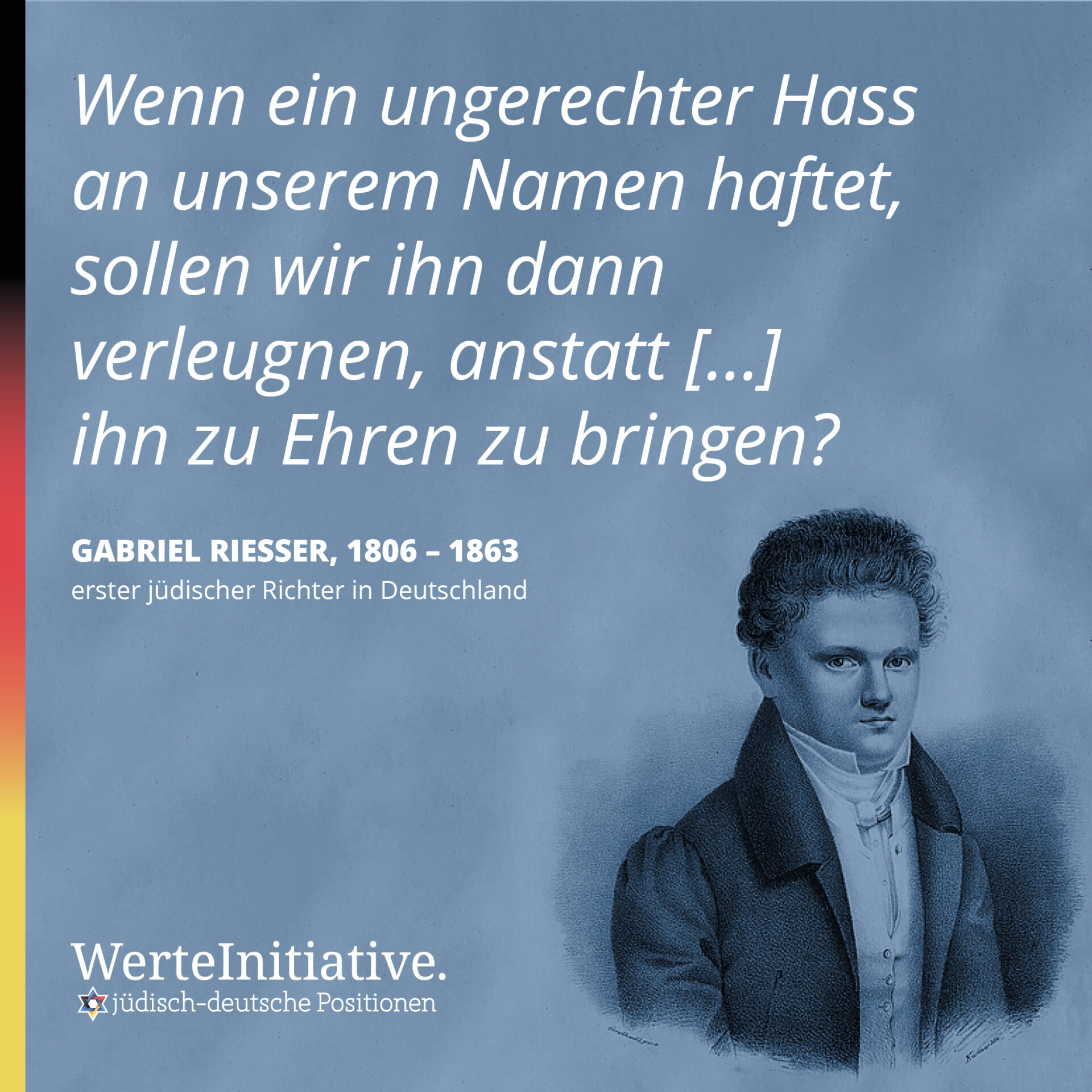
Throughout his life Gabriel Riesser stood up for freedom and equal rights and was an important champion of Jewish emancipation in Germany. At first he was not admitted to the bar in Hamburg, since as a Jew he was not a citizen of Hamburg; only a few years later he founded the journal “Der Jude. Periodische Blätter für Religions- und Gewissensfreiheit”. In 1848 Riesser became a deputy of the German National Assembly in Frankfurt am Main and in 1860 finally a citizen of Hamburg and the first Jewish judge in Germany.
More on his biography:
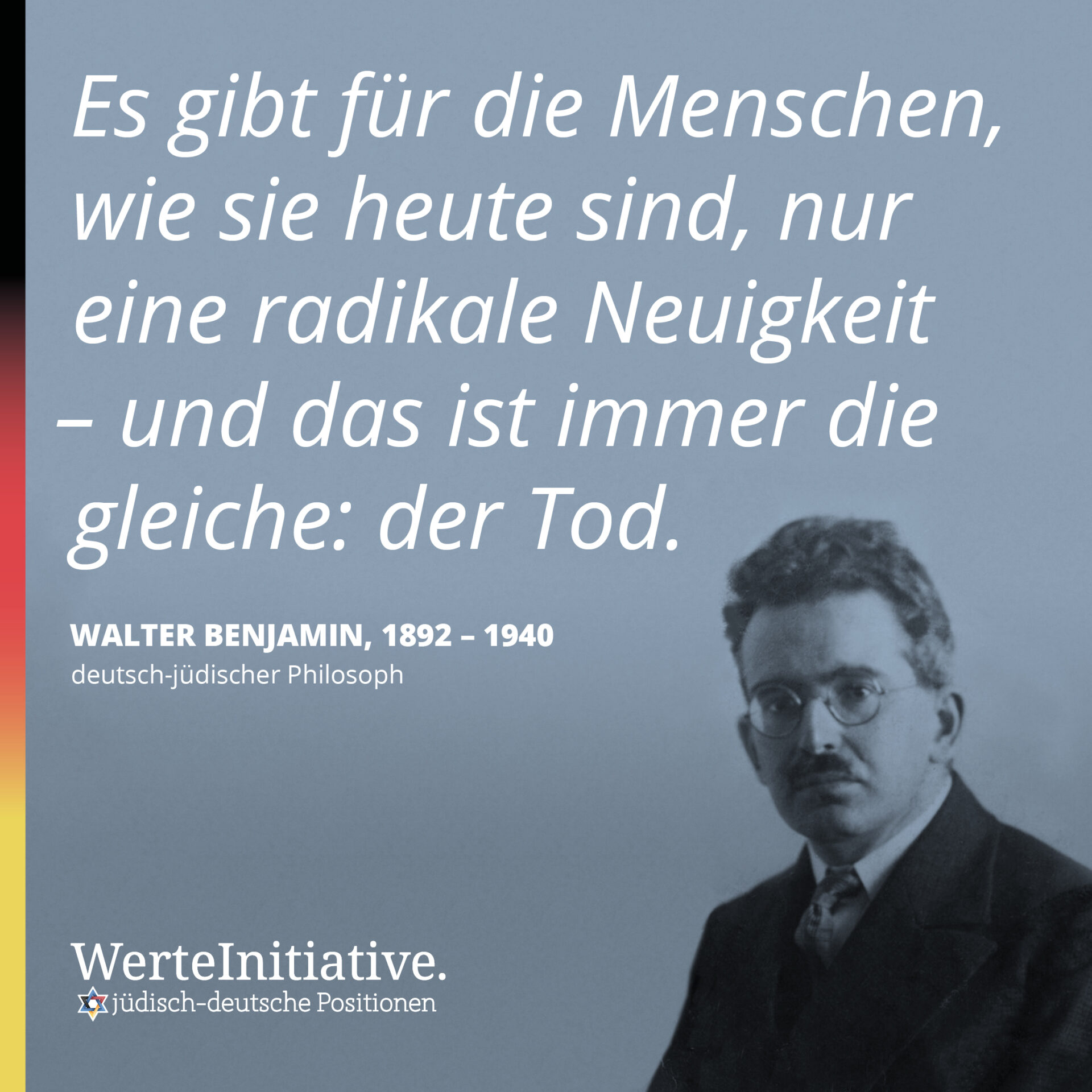
Today Walter Benjamin is regarded as one of the most frequently cited authors in cultural studies, yet in his lifetime he was known to a rather small audience in the Weimar Republic. After taking his doctorate in Bern, the Berlin-born writer met Theodor Adorno in Frankfurt at the beginning of the 1920s; his attempt to complete a habilitation in Frankfurt failed, however. In 1933 he fled from National Socialist Germany into exile in France. There he received financial support from Hannah Arendt. In April 1940 Benjamin made an attempt to flee to Spain ahead of the invasion of the German troops, which failed, however. On 26 April 1940 Walter Benjamin took his own life for fear of being handed over to the Germans.
More on his biography:
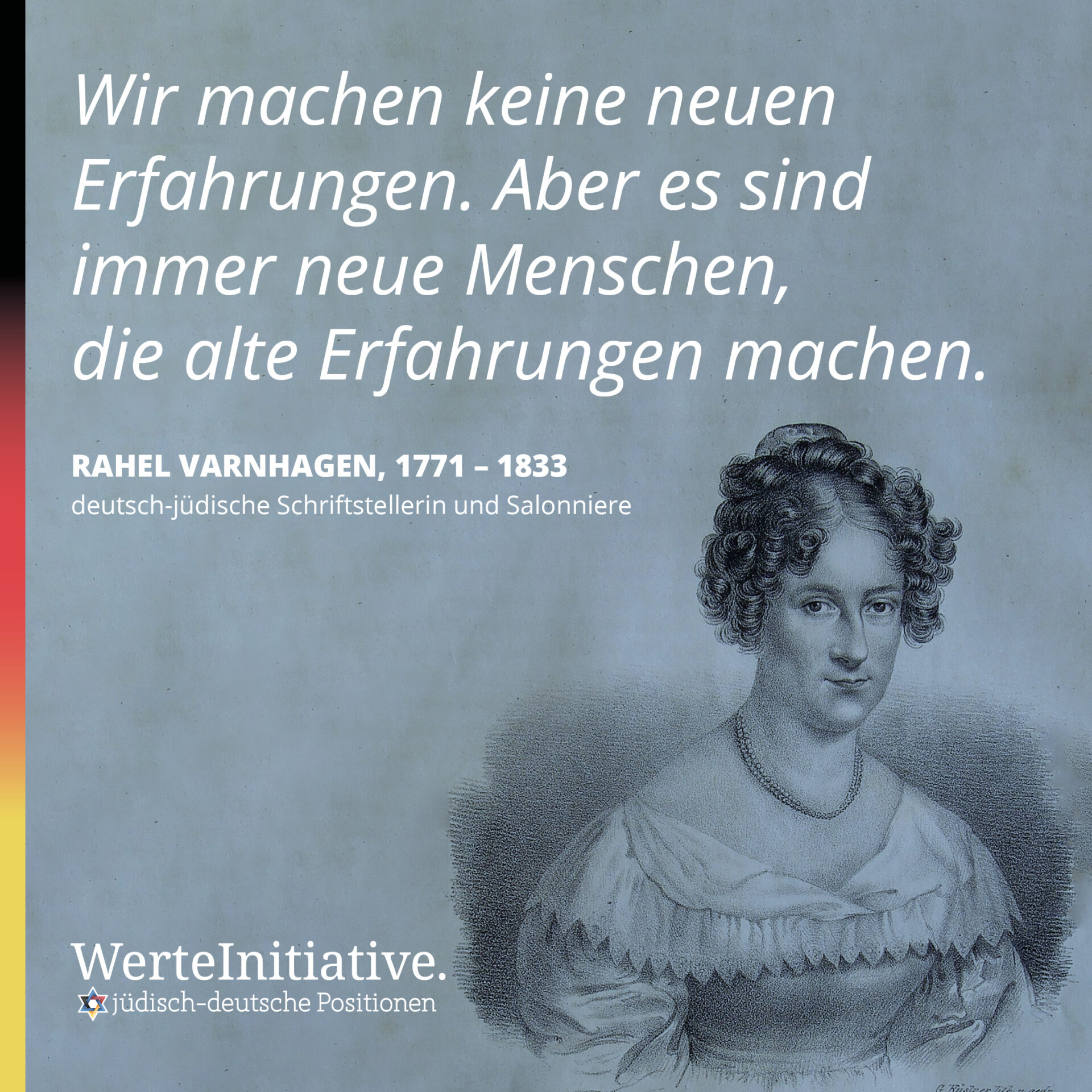
Because she was a woman and a Jew, Rahel Varnhagen was denied access to higher education and had to educate herself. From 1790 she gave “sociable evenings” in her Berlin flat, which later received the name Salon Rahel Levin (her birth name). The most varied personalities of her time came together there, such as the Humboldt brothers, Jean Paul or later Hegel or Bettina von Arnim. Varnhagen herself wrote above all diaries and letters, some of which were published during her lifetime. Her probably best-known work, “Rahel. Ein Buch des Andenkens für ihre Freunde”, appeared – still prepared for publication by her – posthumously in 1833.
More on her biography:
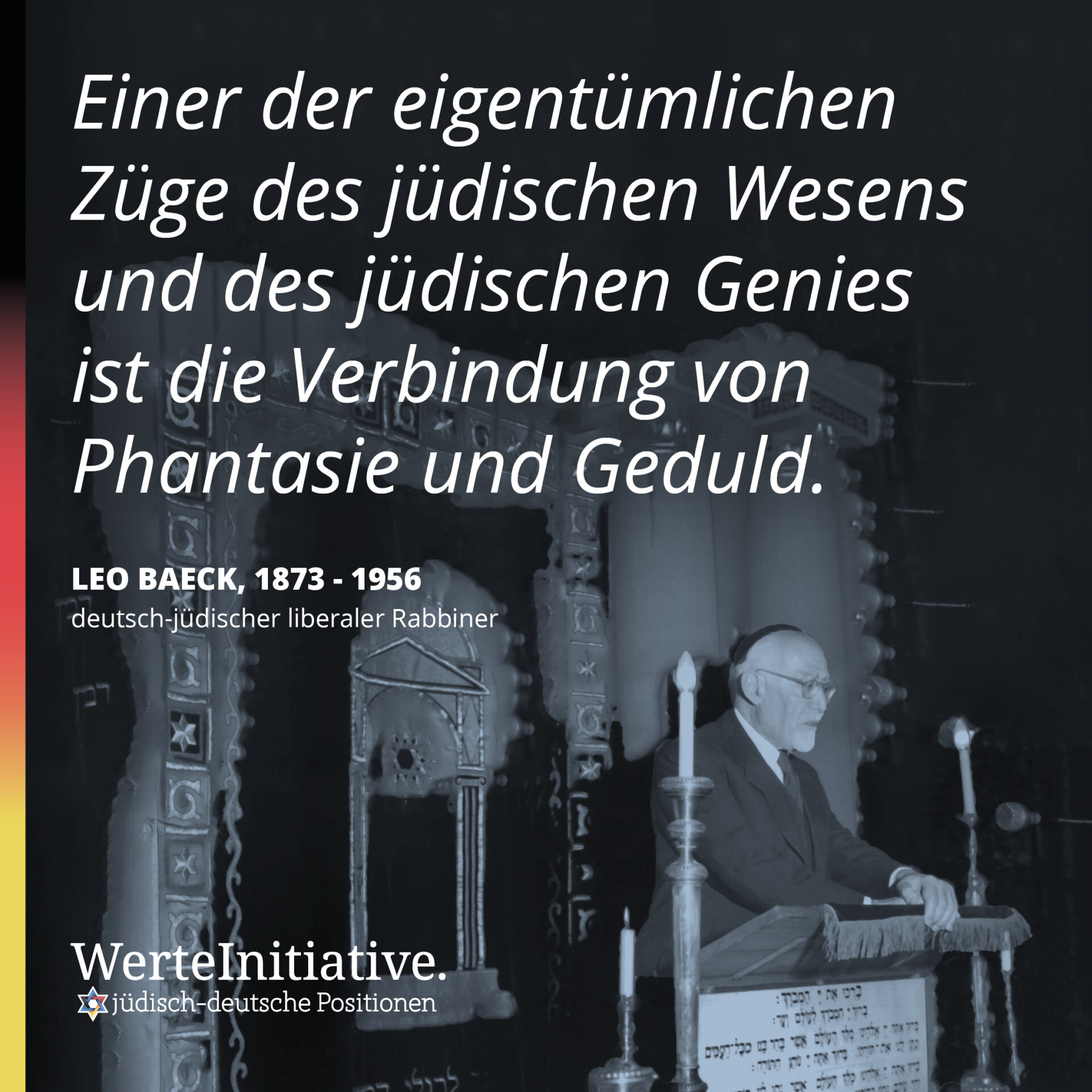
In the Weimar Republic Leo Baeck was regarded as the best-known representative of liberal Judaism. Thus in 1922 he became chairman of the Allgemeiner Rabbinerverband and from 1933 president of the Reichsvertretung der Deutschen Juden. Baeck survived the Theresienstadt concentration camp and emigrated to London in 1945. In 1955 the Leo Baeck Institute was founded by Jewish emigrants, among them Hannah Arendt and Max Buber.
More on his biography:
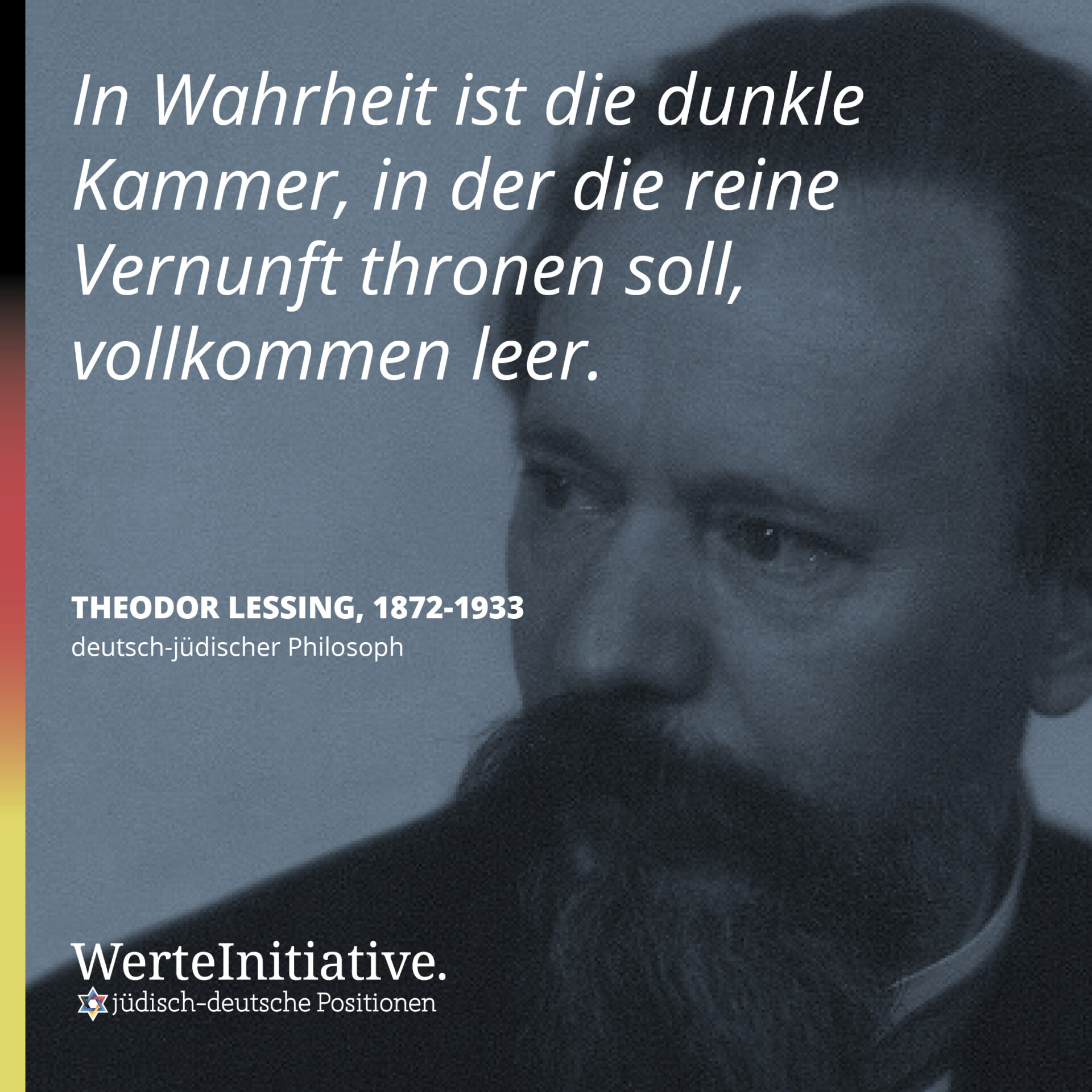
Theodor Lessing, born in Hanover, first studied medicine in Freiburg and Munich before switching to the study of philosophy, which he completed with his dissertation in 1899. From 1907 he was a private lecturer at the Technische Hochschule Hannover, today’s Leibniz University. From 1919 he began, together with his wife Ada, to build up the adult education centre there, which has borne the names of the two of them since 2006. In March 1933 the two fled to Marienbad in Czechoslovakia, where Lessing was murdered by National Socialists at the end of August of the same year.
More on his biography:
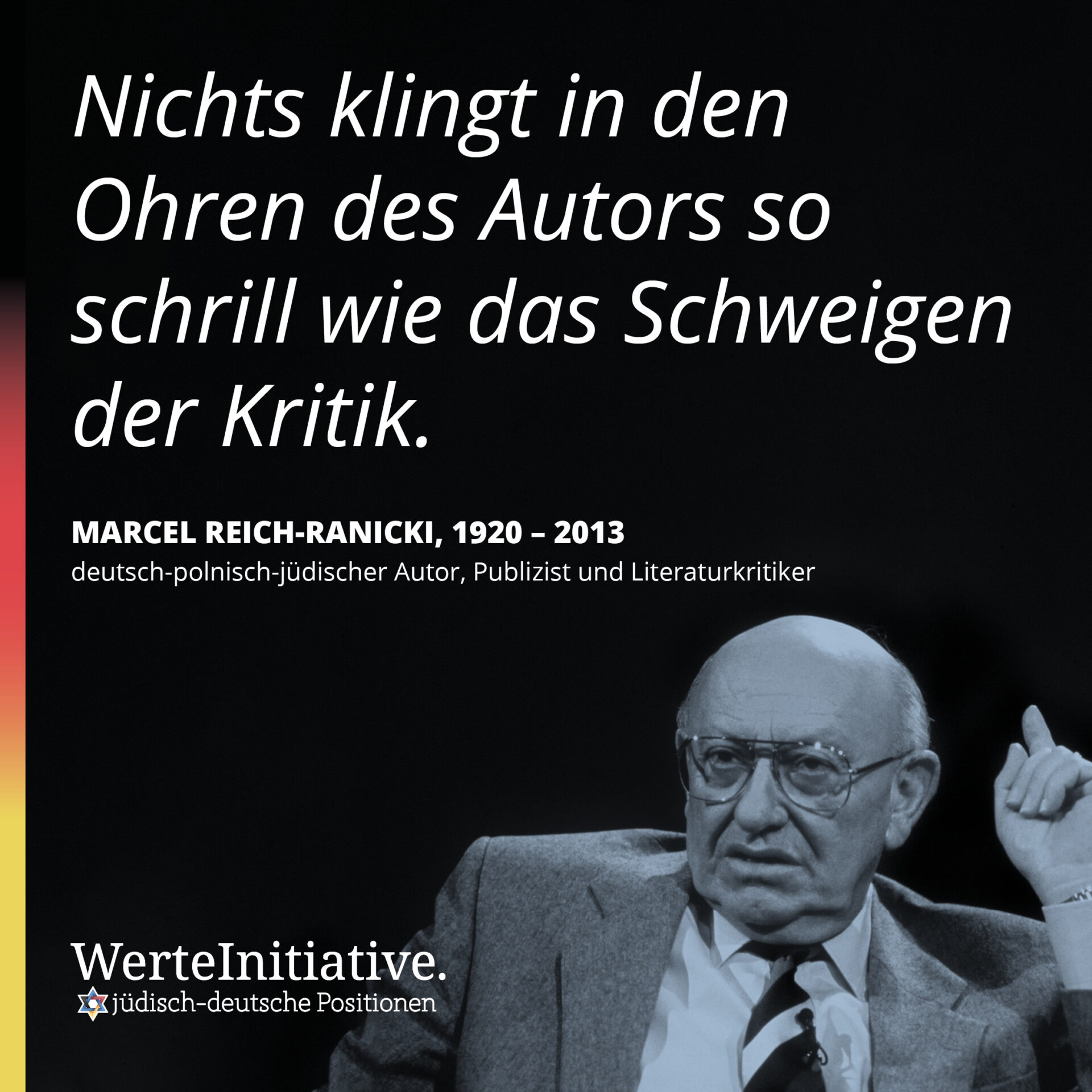
Marcel Reich-Ranicki is regarded as probably the most important literary critic of his time and also became known by the nickname “Literaturpapst”. Born in 1920 in Włocławek in Poland, he spent his youth and his school years in Berlin. In 1938 he was deported from National Socialist Germany. Together with his wife Teofilia, Reich-Ranicki survived the “Warsaw Ghetto”. From 1958 he lived in the Federal Republic, first in Frankfurt, then in Hamburg, and wrote as a literary critic for the Frankfurter Allgemeine Zeitung and Die ZEIT. Marcel Reich-Ranicki gained great popularity from 1988 with the television programme “Das literarische Quartett”, which he presented until 2001.
More on his biography:
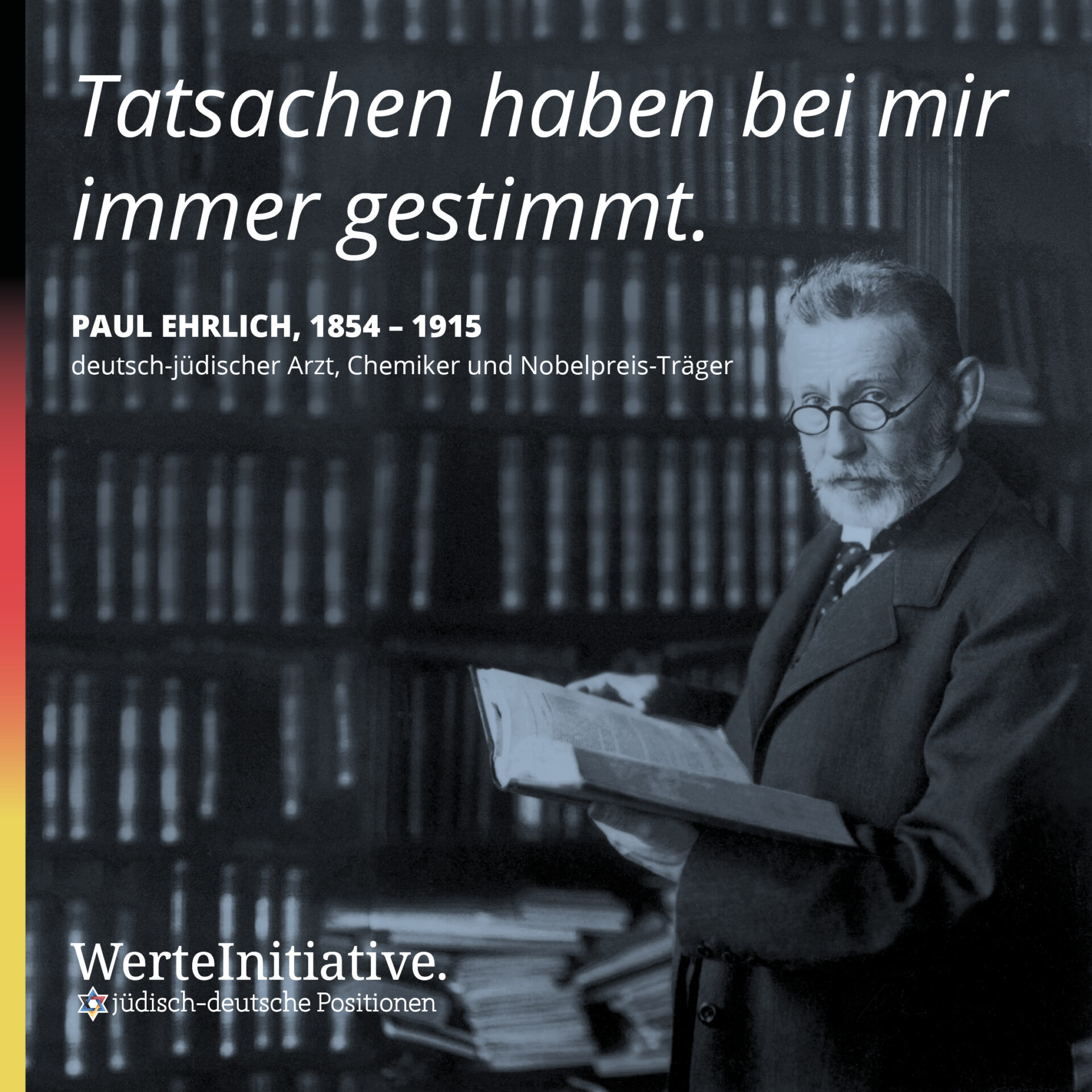
After completing his medical studies with a doctorate, Paul Ehrlich first worked as a physician at the Charité in Berlin. In 1891 he was appointed by Robert Koch to the newly founded Institute for Infectious Diseases and only five years later was made director of the Royal Institute for Serum Research and Serum Testing. Later the institute is moved to Frankfurt am Main, where Ehrlich begins his work on the cure of syphilis. This marks the beginning of modern chemotherapy, for which Paul Ehrlich received the Nobel Prize for Medicine in 1908. In 1947 the institute was named the Paul-Ehrlich-Institut after its first director; since 1972 it has been an independent federal authority.
More on his biography:
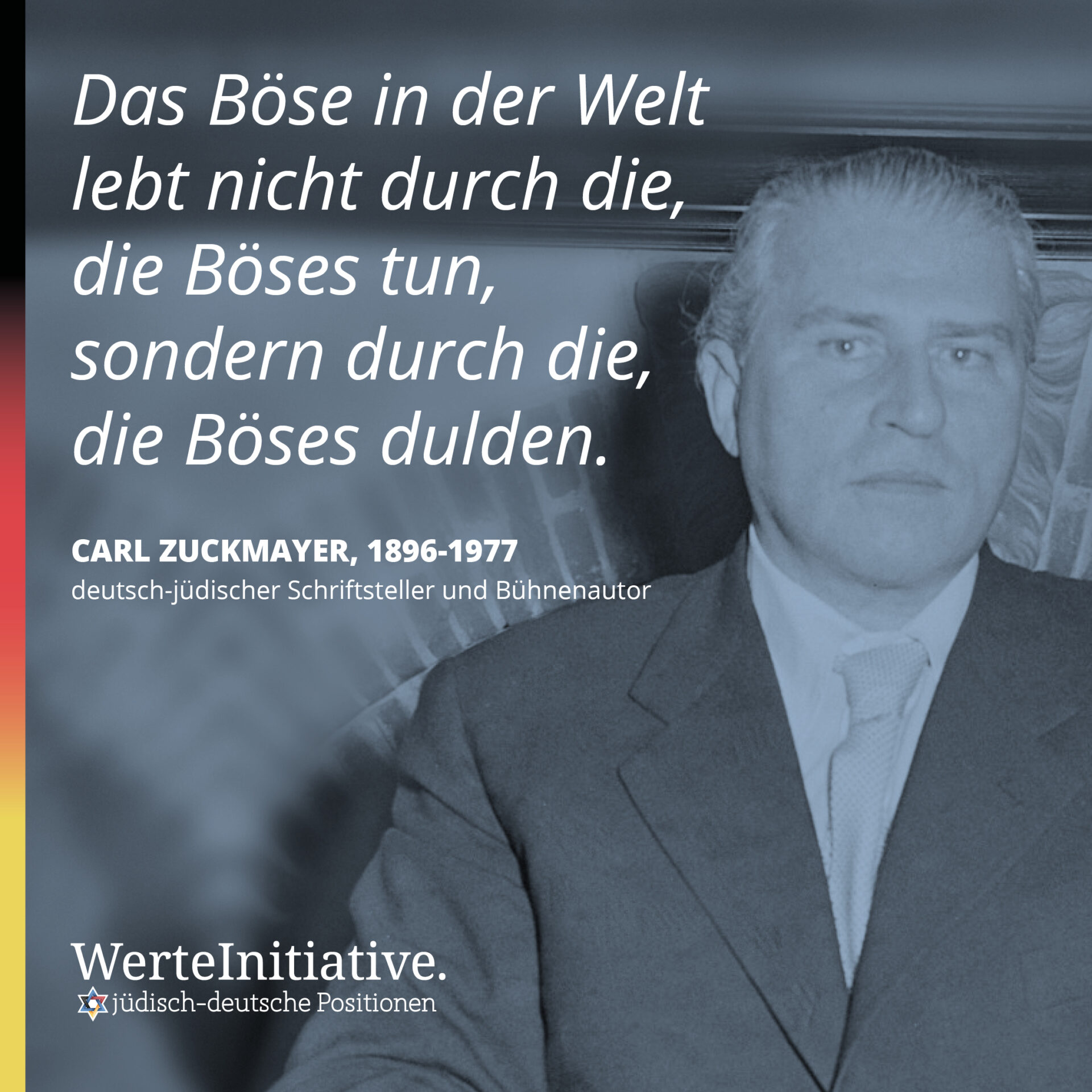
Carl Zuckmayer is regarded today as one of the most important dramatists of his time; he celebrated his first success with the comedy “Der fröhliche Weinberg”, which was premiered in Berlin. His greatest success during the Weimar Republic he celebrated with “Der Hauptmann von Köpenick”, which was performed for the first time at the Staatstheater Berlin in 1931. In 1933 Zuckmayer’s works were banned and he withdrew to Austria. After the annexation to National Socialist Germany in 1938 he only narrowly managed to escape to Switzerland, where his play “Des Teufels General” premiere later on further to the USA. Carl Zuckmayer’s works such as “Des Teufels General” also met with great attention in the post-war period and unfold their fascination to this day.
More on his biography:
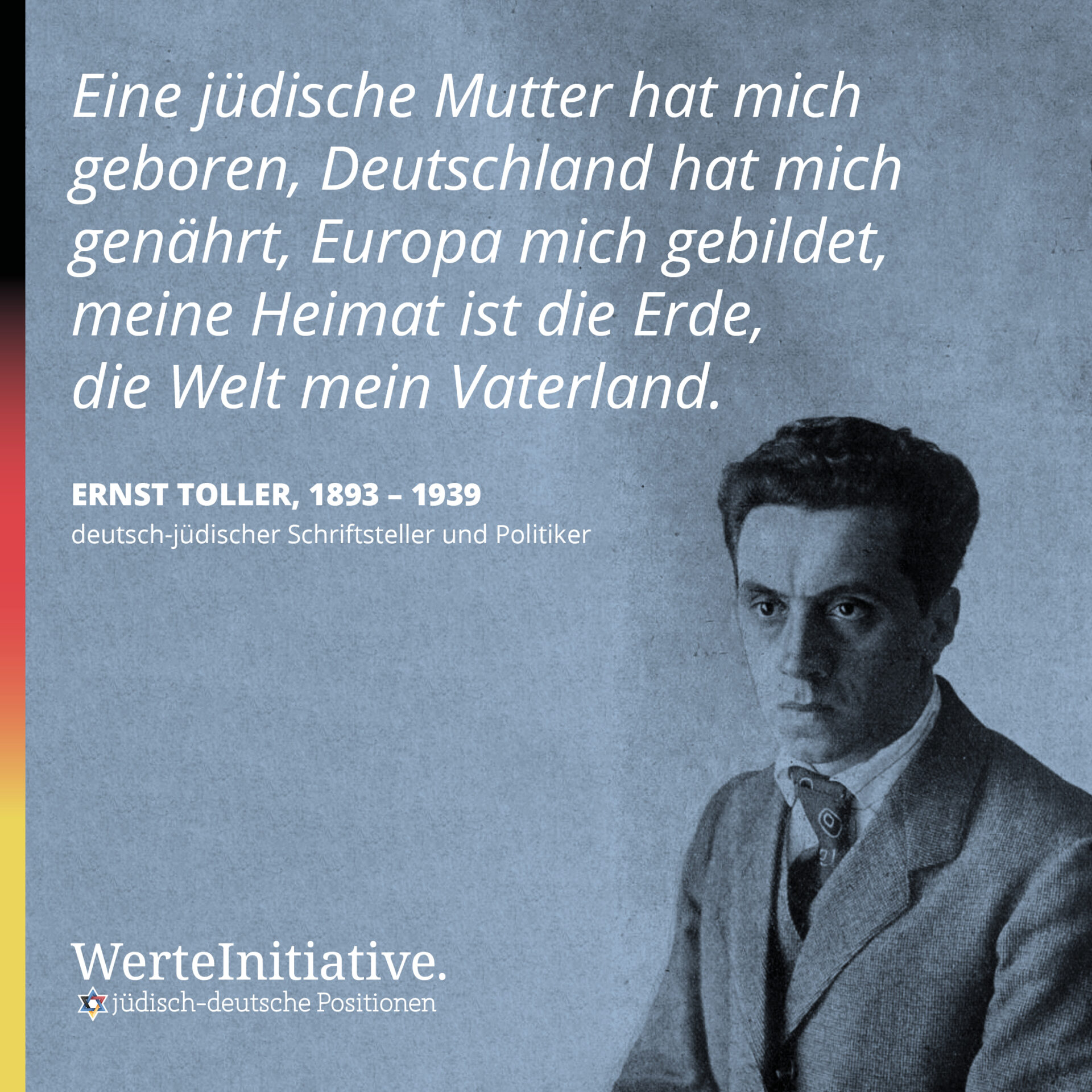
Ernst Toller at first volunteered as a soldier in the First World War, but left military service after a breakdown. In 1918/19 he was in Munich one of the leading figures of the revolution and of the Munich Soviet Republic, for which he was sentenced to five years’ imprisonment in a fortress. In detention he wrote some of his most important dramas, among them “Die Wandlung” and “Masse Mensch”. In 1933 his works were banned and Toller fled to Switzerland, on to England, and finally emigrated to the USA in 1936, where he committed himself tirelessly to the international struggle against National Socialism. In May 1939 Ernst Toller takes his own life in New York.
More on his biography:
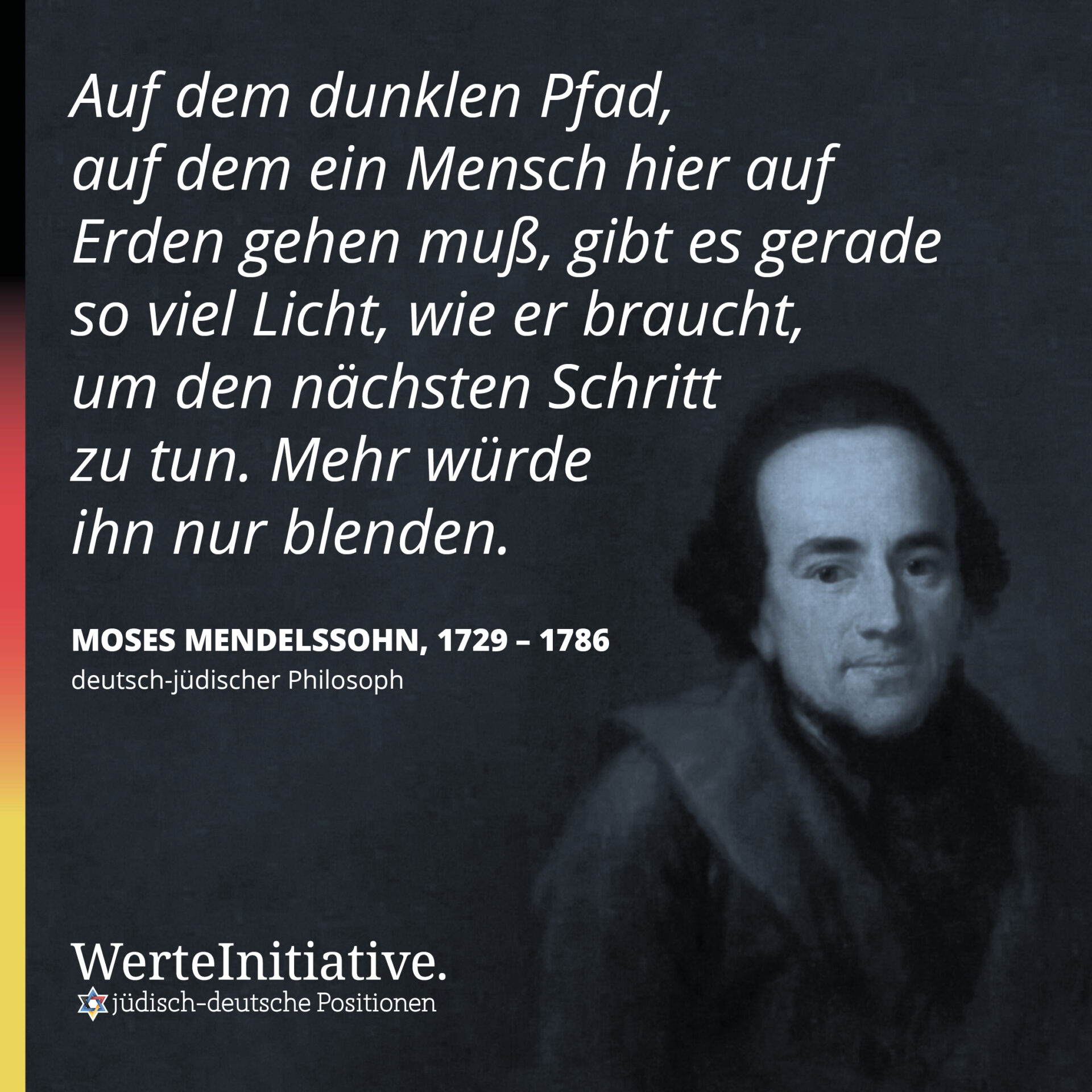
Moses Mendelssohn is regarded as the key figure of the Jewish Enlightenment in Europe and thus as a pioneer of the Haskalah. As a pupil of David Fraenkel he came in 1742 to the newly founded Talmud school in Berlin, where he not only acquired various languages but also discovered his inclination towards philosophy and engaged with the early authors of the Enlightenment. Thus he translated, for example, Rousseau’s “Abhandlung über den Ursprung und die Grundlagen der Ungleichheit unter den Menschen” into German and with his own works himself had a great influence on the philosophy of the Enlightenment. His friend Gotthold Ephraim Lessing finally set him a literary monument in his last work, “Nathan der Weise”.
More on his biography:
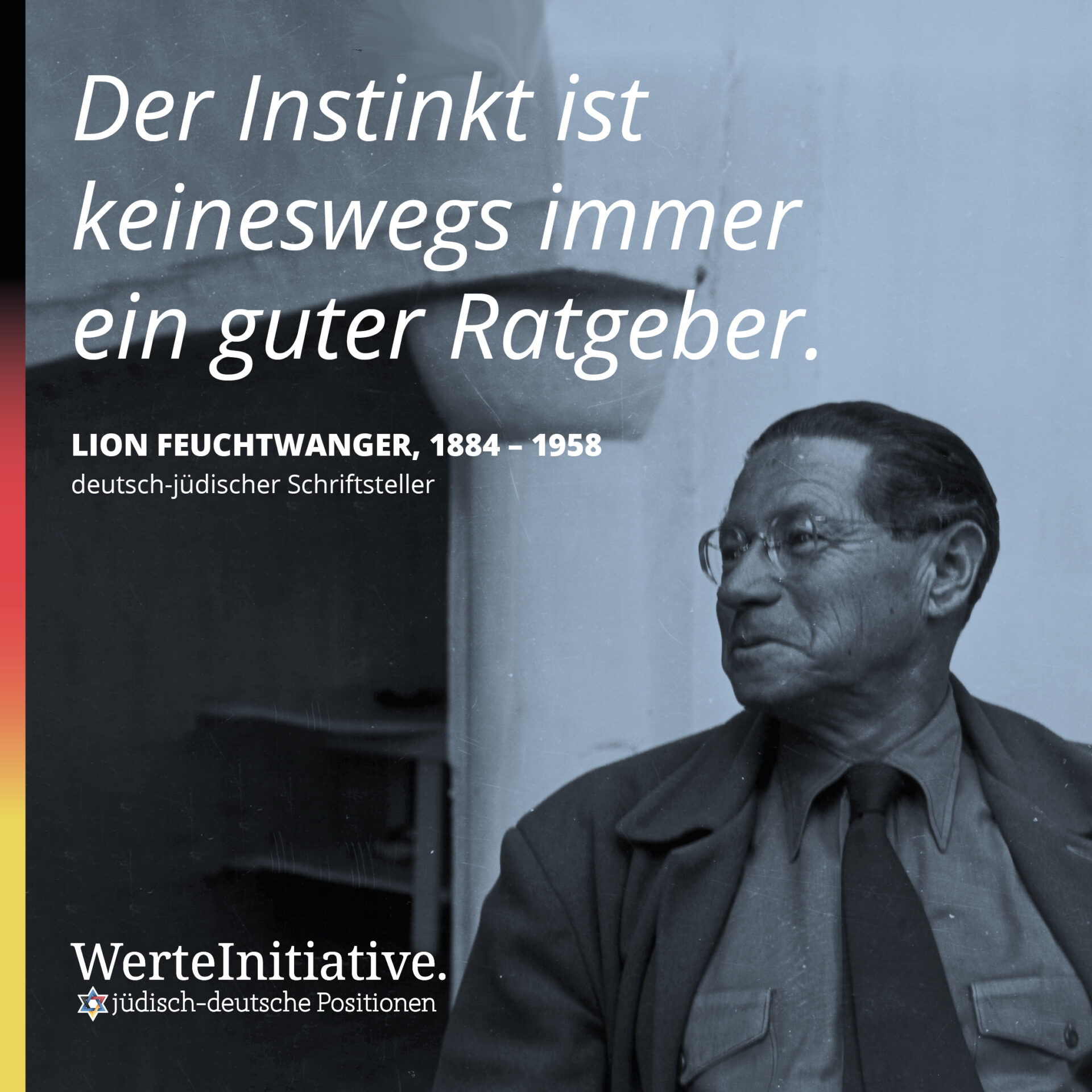
In the 1920s Lion Feuchtwanger rose to become one of the most successful authors of historical novels, among which is “Jud Süß”. In it he deals with Jewish assimilation and the antisemitism of the 19th century. In 1933 he was unable to return from a lecture tour in the USA to National Socialist Germany, as he was among the first to be stripped of their citizenship. Feuchtwanger lived at first in France, where he wrote the novel “Exil”, and with the help of the American embassy was able to flee to the USA shortly before the German invasion of France. There he lived until the end of his life in southern California.
More on his biography:
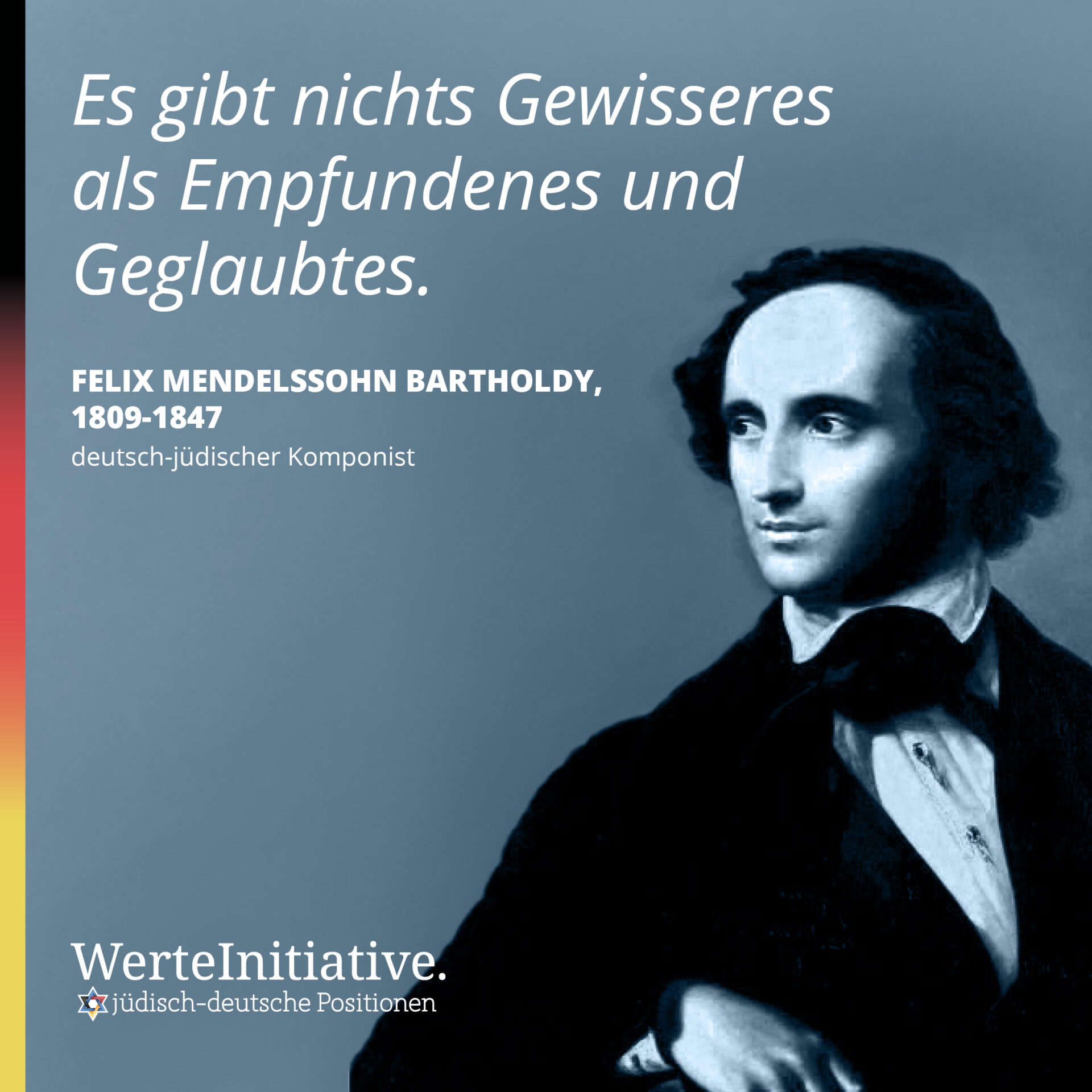
Felix Mendelsohn Bartholdy is regarded as an important musician and composer of Romanticism who contributed to the rediscovery of the works of Bach and Handel. As a conductor he set new standards by using a baton and abolishing the separation between choral and orchestral rehearsals. Many of his works achieved great renown, such as the “Hochzeitsmarsch” from “Ein Sommernachtstraum”, which to this day is regarded as the epitome of wedding music. In 1843 he founded the first German conservatory of music, the Hochschule für Musik und Theater “Felix Mendelssohn Bartholdy” Leipzig.
More on his biography:
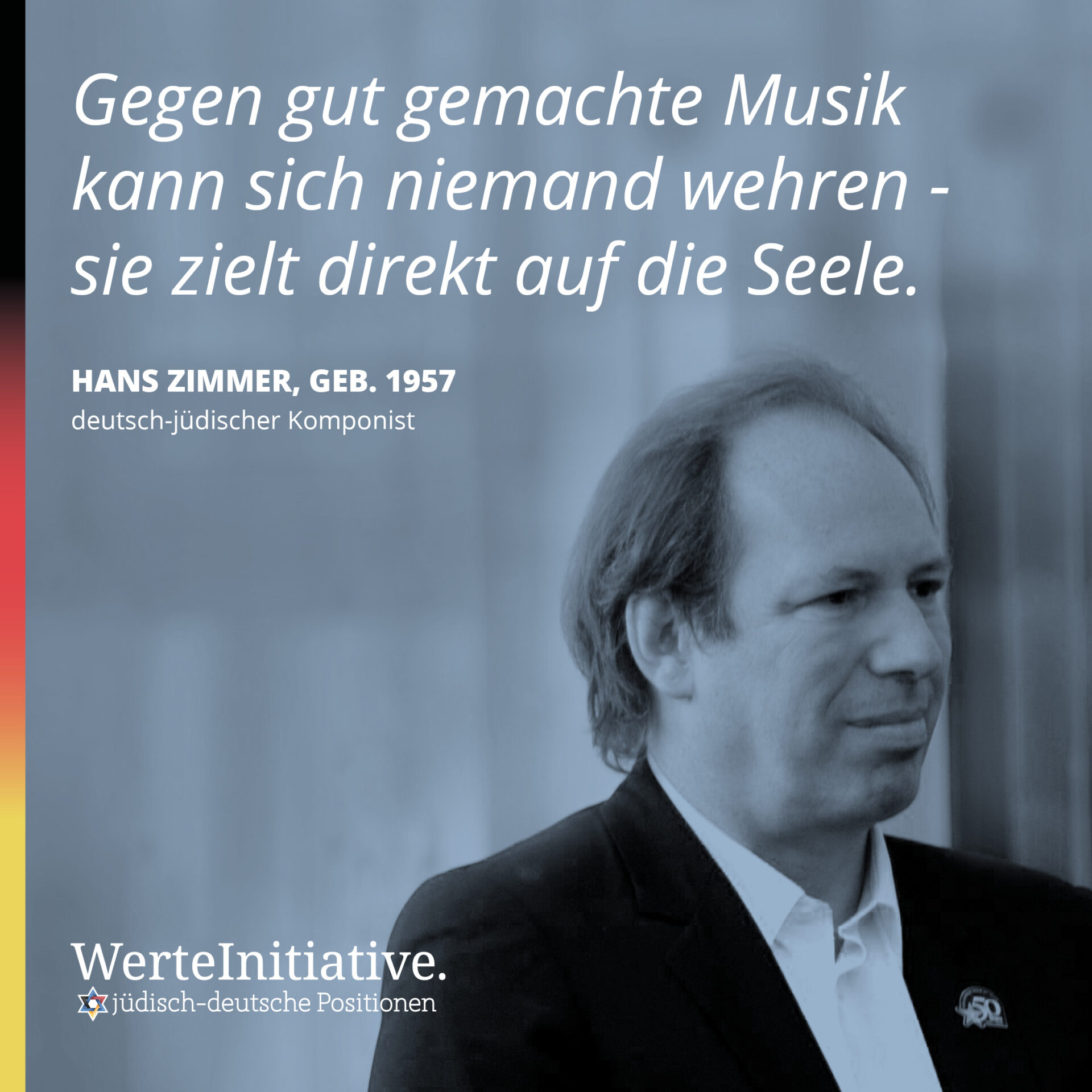
Hans Zimmer is one of the best-known and most successful composers of film music. His breakthrough came with the music for the film “Rain Man”, for which he received his first Oscar nomination in 1989; ten more were to follow to this day. Having at first lived in England since the late 1970s, Zimmer moved to California as his success in the film industry grew. In 1995 Hans Zimmer received an Oscar for the film music to “Der König der Löwen”, as well as a Golden Globe and a Grammy. His award-winning compositions accompany films such as “Inception”, “The Dark Knight” or “Gladiator”, and since 2010 a star bearing his name has adorned the Hollywood Walk of Fame.
More on his biography:

In 1930 Fritz Bauer became the youngest local court judge in Germany, but only three years later he was removed from office under National Socialist rule. He fled via Denmark to Sweden and returned to Germany in 1949, where he first worked at the regional court in Braunschweig, before being appointed Attorney General of Hesse in 1956. Bauer became known through his determined prosecution of Nazi perpetrators and especially the Frankfurt Auschwitz trials, as well as through his contribution to the capture of the organiser of the Holocaust, Adolf Eichmann.
More on his biography:
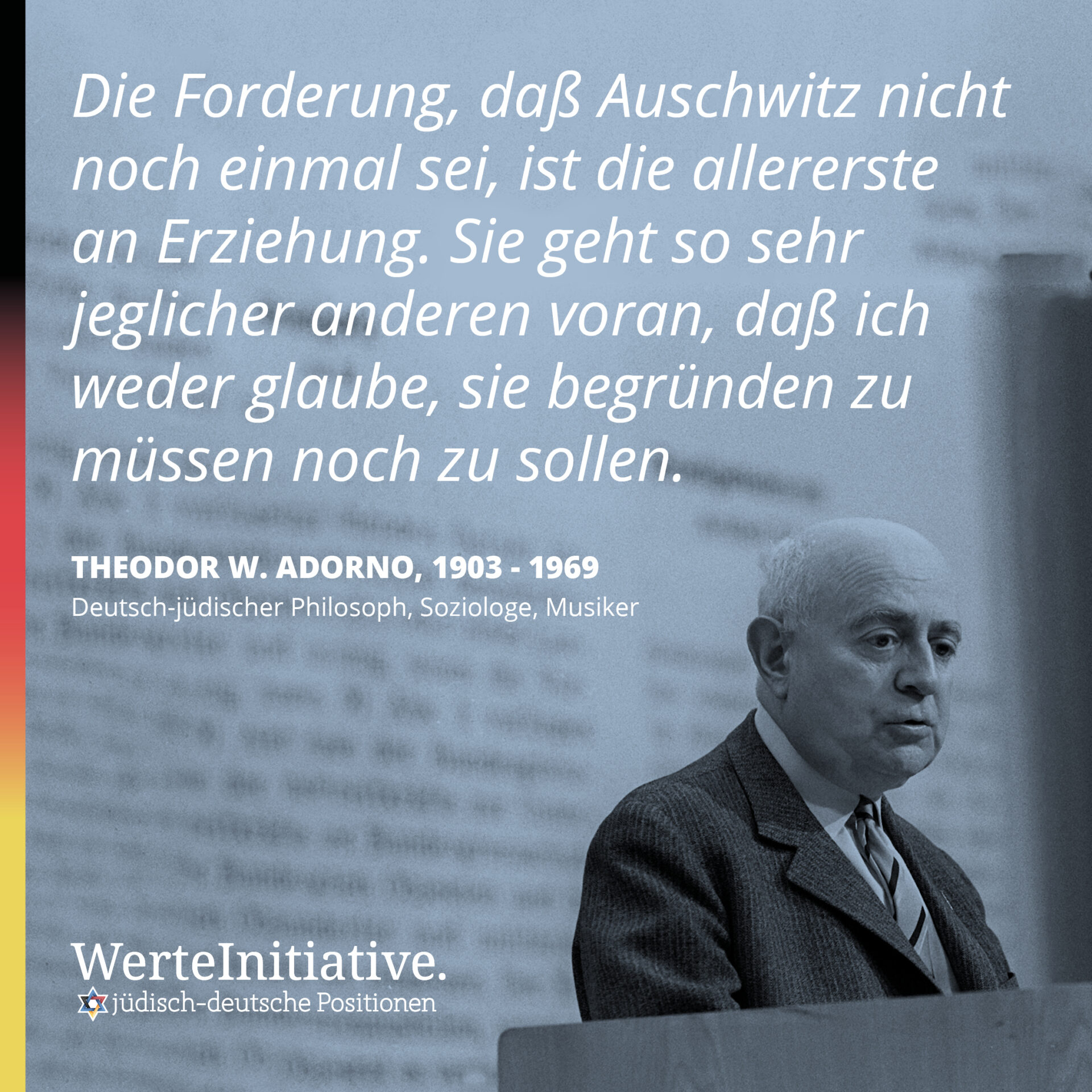
Theodor W. Adorno grew up as the son of a wine merchant in Frankfurt, where at just 17 he passed his Abitur as the best of his year and at only 24 completed his studies at the Goethe University with a doctorate. During his studies he got to know Max Horkheimer, with whom he was to be connected not only by a lifelong friendship but also by their intellectual and scholarly work. Together they are regarded as the most important representatives of what is known as Critical Theory, whose principal work may be taken to be “Dialektik der Aufklärung”, published in American exile in 1947. Adorno had left National Socialist Germany in 1934 after the withdrawal of his licence to teach, first for England, then in 1938 for the USA. From 1949, however, he returned to the re-founded Institute for Social Research in Frankfurt, where from 1953 he held a professorship.
More on his biography:
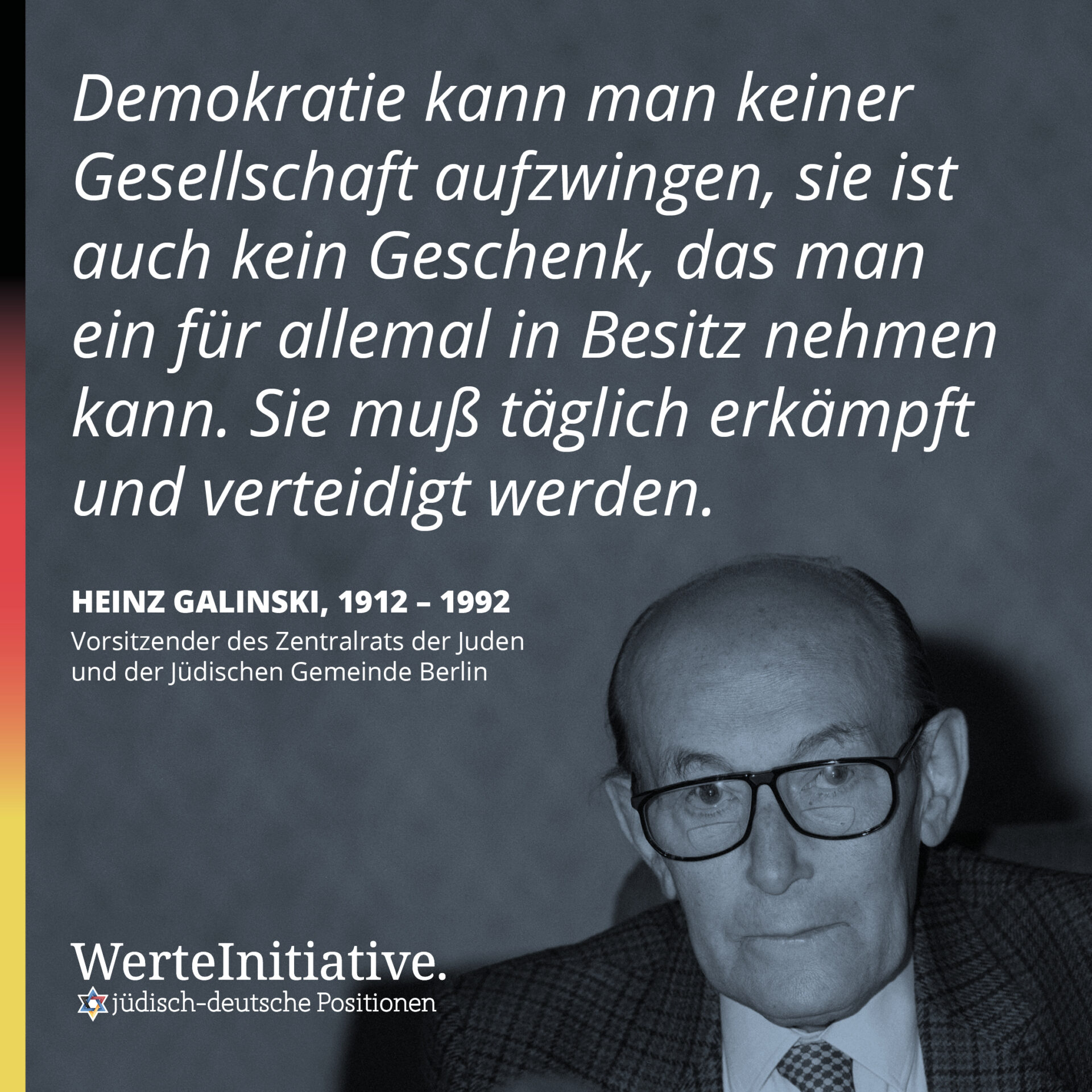
Heinz Galinski was a trained textile merchant who had lived and worked in Berlin since the end of the 1930s. From 1940 he was conscripted into forced labour, and shortly afterwards deported together with his wife and his mother to the Auschwitz concentration camp. He was the only one of his family to survive and was finally liberated in 1944 from the Bergen-Belsen concentration camp, to which he had in the meantime been taken. Galinski rebuilt the Jewish community of Berlin after the war and was its chairman from 1949 to 1992. After the end of the war Heinz Galinski was involved in the Vereinigung der Verfolgten des Naziregimes (VVN) and campaigned for a democratic society in which Jewish life can have a lasting future. He was twice chairman of the Central Council of Jews in Germany, from 1954 to 1963 and from 1988 to 1992.
More on his biography:
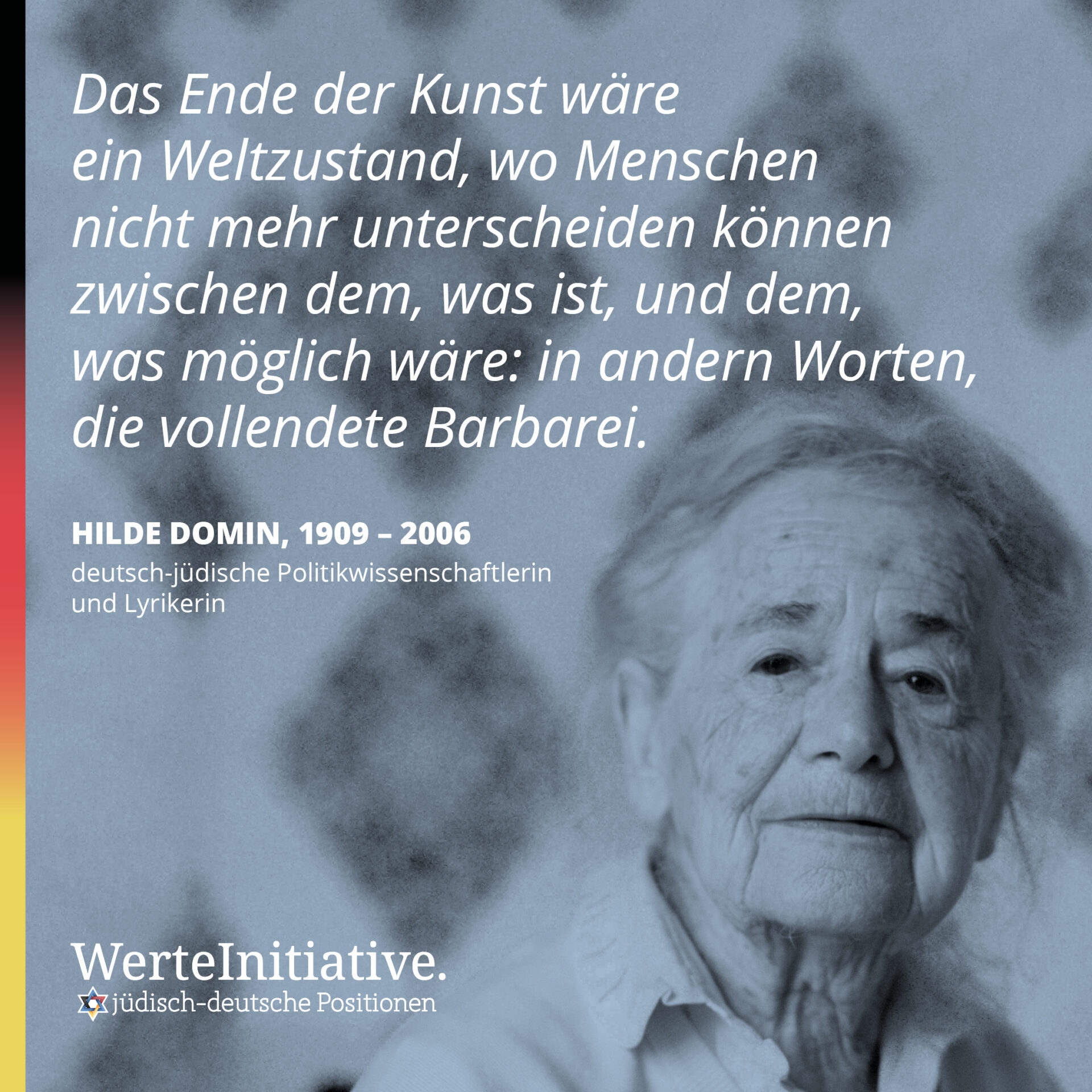
Hilde Domin was born Hildegard Löwenstein in Cologne; from 1931 she studied political science in Heidelberg, and from a study visit with her later husband Walter Palm she was not to be able to return to National Socialist Germany. In 1939 she fled to Great Britain and then via Canada to the Dominican Republic. In exile she began her literary work, which she set against her feeling of growing loneliness. Domin returned to the Federal Republic in 1954 and chose her pen name in reference to her place of exile. Hilde Domin is regarded as an important representative of the “unrhymed poem”; her first volume of poems, “Nur eine Rose als Stütze”, appeared in 1959.
More on her biography:
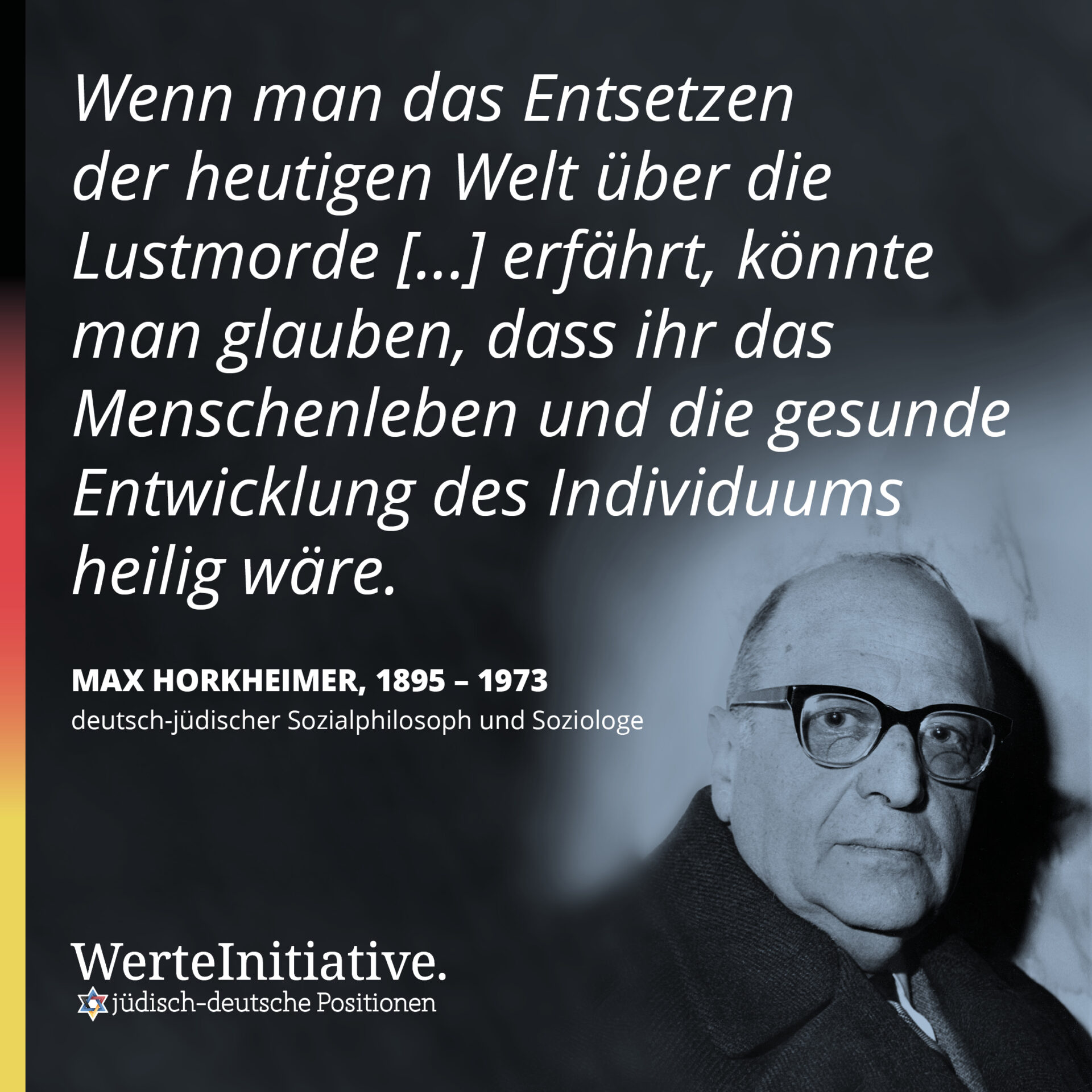
Max Horkheimer is regarded as the founder of the Frankfurt School and of the Critical Theory closely interwoven with it. From 1930 he took over the direction of the Institute for Social Research (IfS) at the University of Frankfurt and gathered around him minds such as Theodor Adorno and Friedrich Pollock, with whom he maintained a lifelong friendship. After the institute was closed in 1933, Horkheimer emigrates from National Socialist Germany via Switzerland to the USA. There he succeeds, with the help of American colleagues, in continuing the IfS, and between 1943 and 1949 he works as research director of the AJC. In exile he writes together with Adorno their probably best-known work, “Dialektik der Aufklärung”, which to this day is regarded as one of the cornerstones of Critical Theory. Horkheimer returns to Frankfurt am Main in 1949 and becomes full professor of social philosophy at the re-founded Institute for Social Research.
More on his biography:
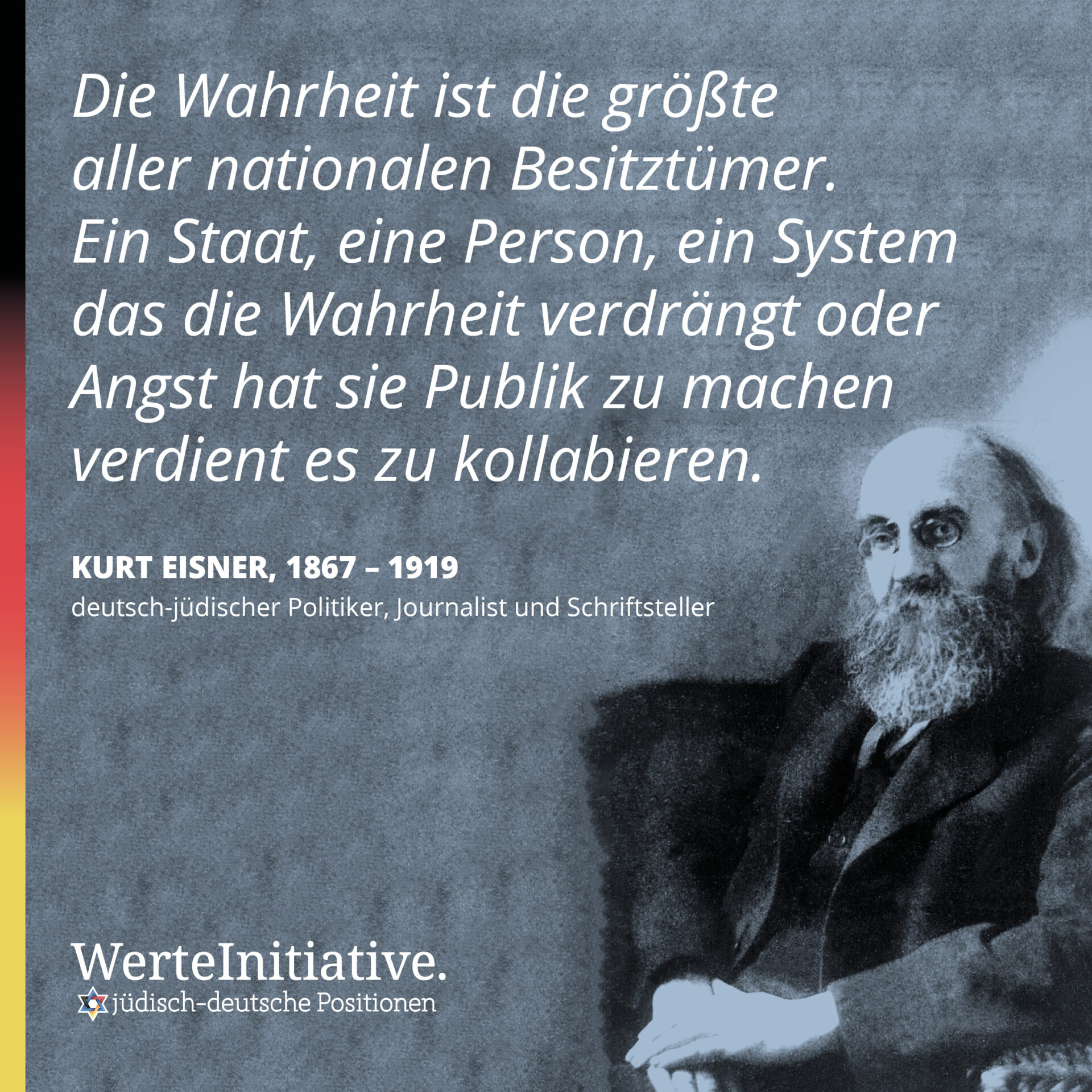
As a journalist Kurt Eisner wrote for various newspapers, joined the SPD in 1898 and worked for a good many years on the editorial staff of the party organ “Vorwärts”. As he belonged at that time to the revisionist wing of the party, he had to leave the editorial staff and went from Berlin to Bavaria, first to Nuremberg, then to Munich. During the First World War Eisner was a convinced pacifist who opposed the war credits and finally co-founded the USPD in Bavaria. In the course of the November Revolution he declared the Bavarian king deposed in Munich on 7 November 1918 and proclaimed the Free State of Bavaria, whose first minister-president he was elected the following day by the workers’ and soldiers’ council. In the subsequent election in January 1919 the USPD lost in Bavaria and Eisner was shot on his way to parliament, where he wanted to announce his resignation.
More on his biography: https://www.br.de/…/bayern-revolution-eisner100.html
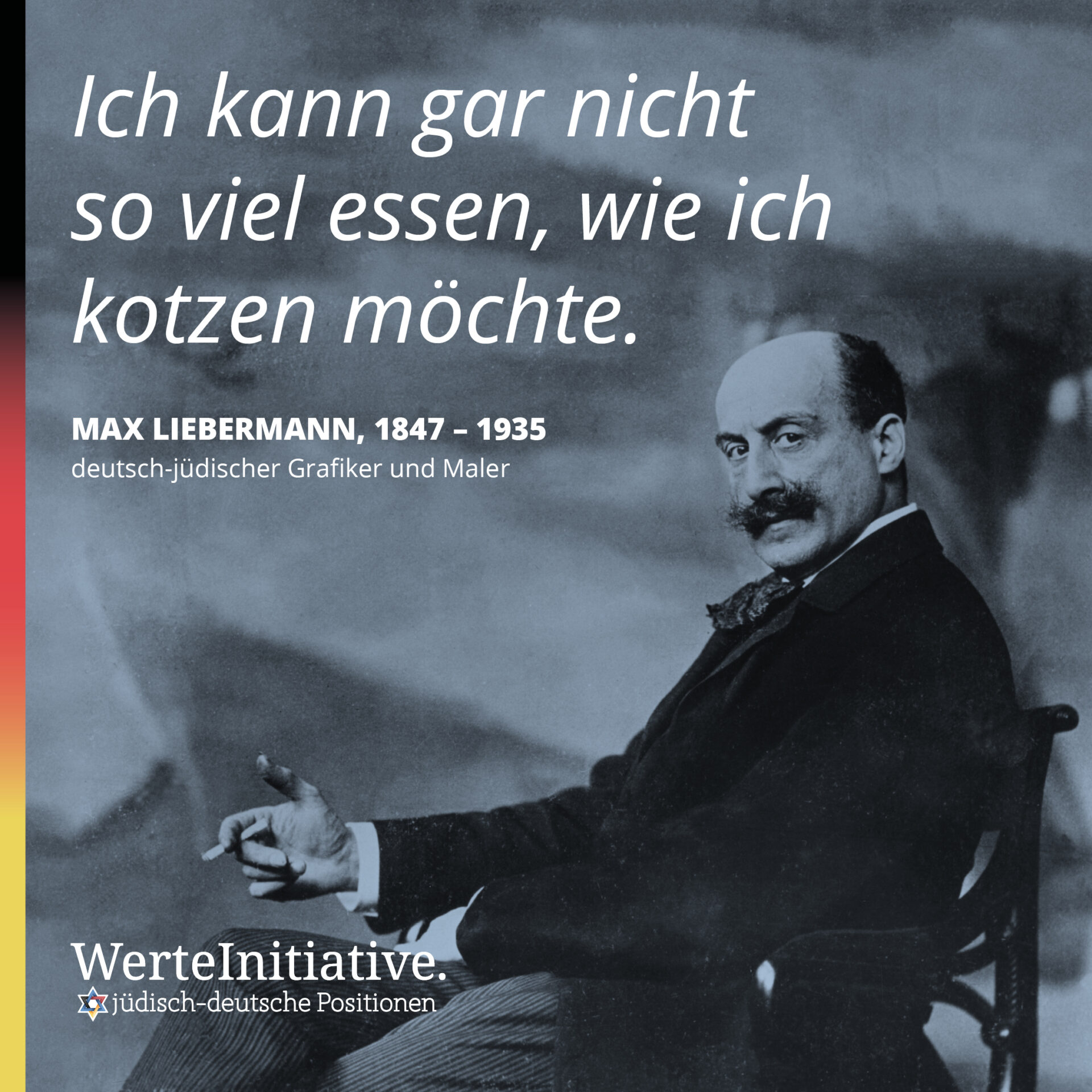
Max Liebermann is regarded as one of the most important representatives of German Impressionism. At first a naturalist painter whose style changed over the years through the influence of the French Impressionists, his artistic path stands as an example of the development of art into modernism. From 1920 Liebermann was president, later honorary president, of the Prussian Academy of Arts and portrayed, among others, Reich President Hindenburg. In view of the torchlight processions marking the handover of power to the National Socialists, he spoke in his Berlin flat the sentence quoted above, which was to attain fame. He had to give up the honorary chairmanship of the academy, and from then on Max Liebermann lived in seclusion in Berlin until the end of his life.
More on his biography:
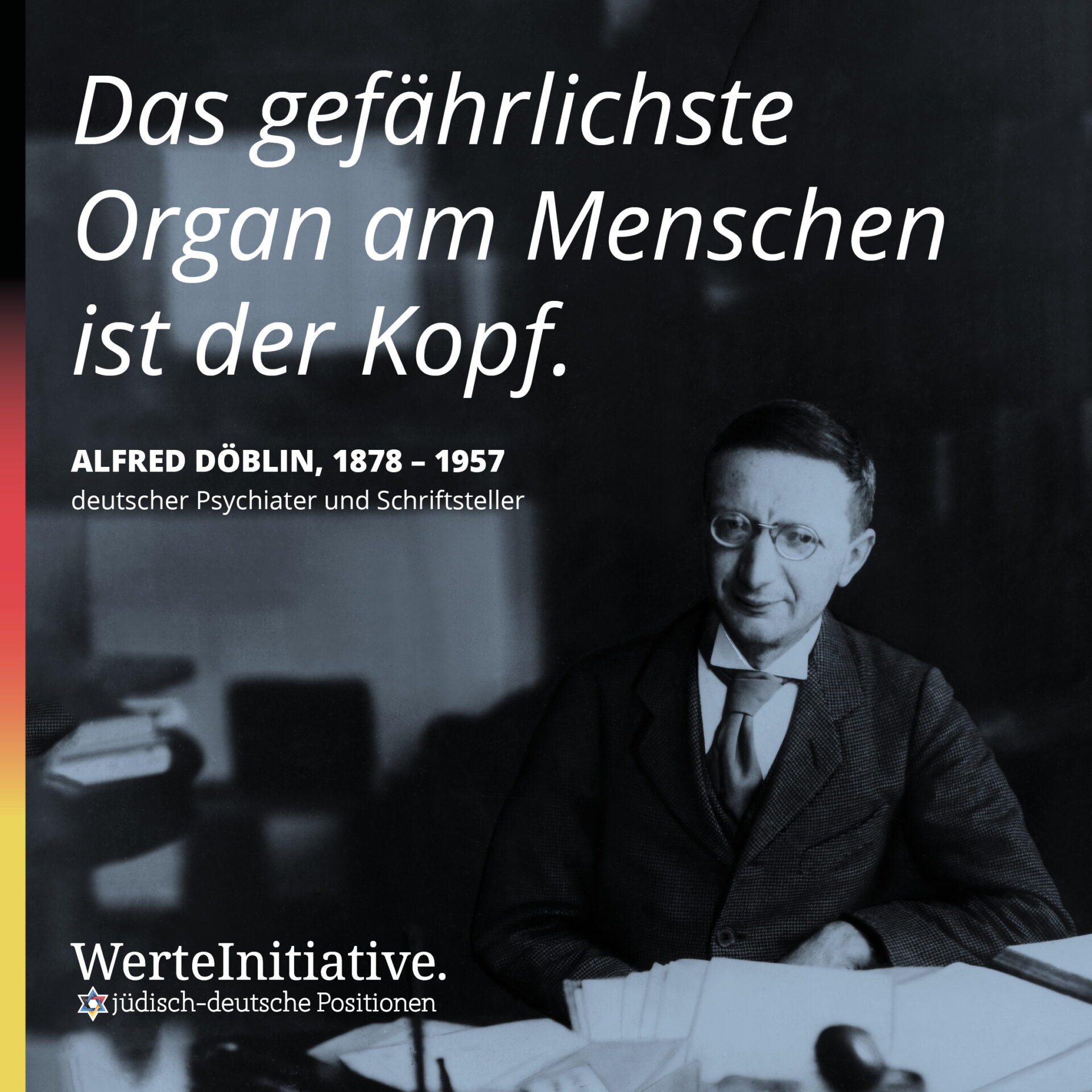
Alfred Döblin is regarded as an outstanding representative of expressionist literature in Germany, as the reception of his novel “Berlin Alexanderplatz”, continuing to this day, also shows. His historical novel “Wallenstein” was also of particular significance for German literature; it was one of the first to transfer the genre of the historical novel into the format of modern narrative, instead of following a mere stringing together of facts. In 1933 Döblin flees from National Socialist Germany via Zurich to Paris, which, however, he also has to leave in 1940 via Spain towards the USA. After the Second World War Döblin at first returns to Germany, but leaves it again in 1953, disappointed, and spends his last years in Paris.
More on his biography:
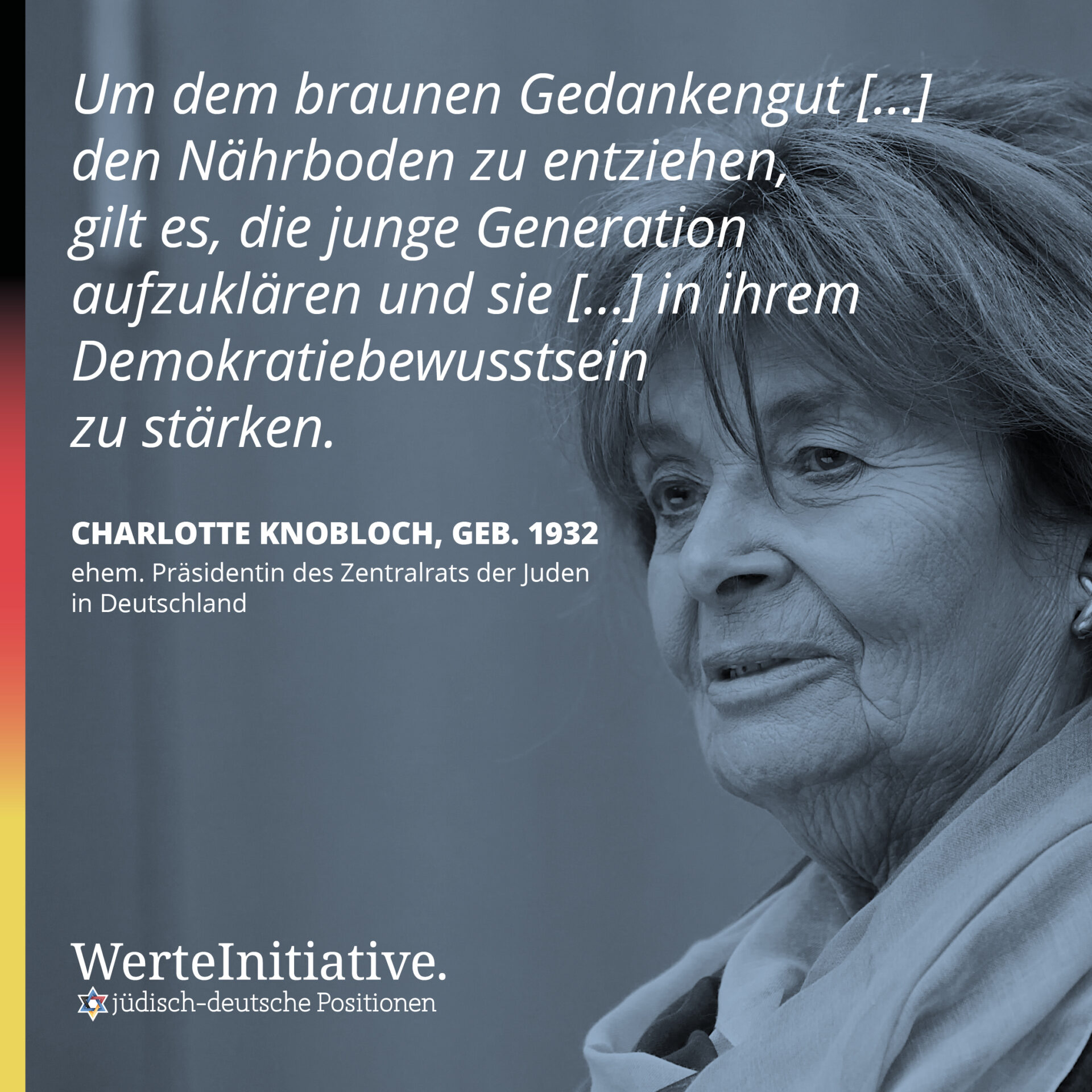
Charlotte Knobloch co-founded the German section of the Women’s International Zionist Organisation (WIZO) and was treasurer of the Jüdischer Frauenbund in Deutschland. Since 1985 she has been chairwoman of the Israelitische Kultusgemeinde München und Oberbayern; from 1995 she was vice-president and from 2006 to 2010 president of the Central Council of Jews in Germany. Charlotte Knobloch campaigns tirelessly for democracy and a Jewish future in Germany, Europe and the world.
More on her biography: